
The demand for high-performance adhesives is rising. Among them, Polyamide Hot Melt Adhesive stands out due to its unique properties. This type of adhesive offers excellent thermal stability and adhesion strength. It bonds well with diverse materials, making it versatile for various applications.
In industries ranging from automotive to textiles, the features of Polyamide Hot Melt Adhesive play a critical role. It maintains structural integrity under different conditions. However, achieving optimal bonding can be challenging. The selection of the right formula affects performance significantly.
Users often overlook the importance of proper surface preparation. Neglecting this step can lead to subpar results. As we explore the best features and applications of Polyamide Hot Melt Adhesive, reflection on these aspects will be crucial. Understanding its capabilities and limitations helps in making informed choices for current and future projects.
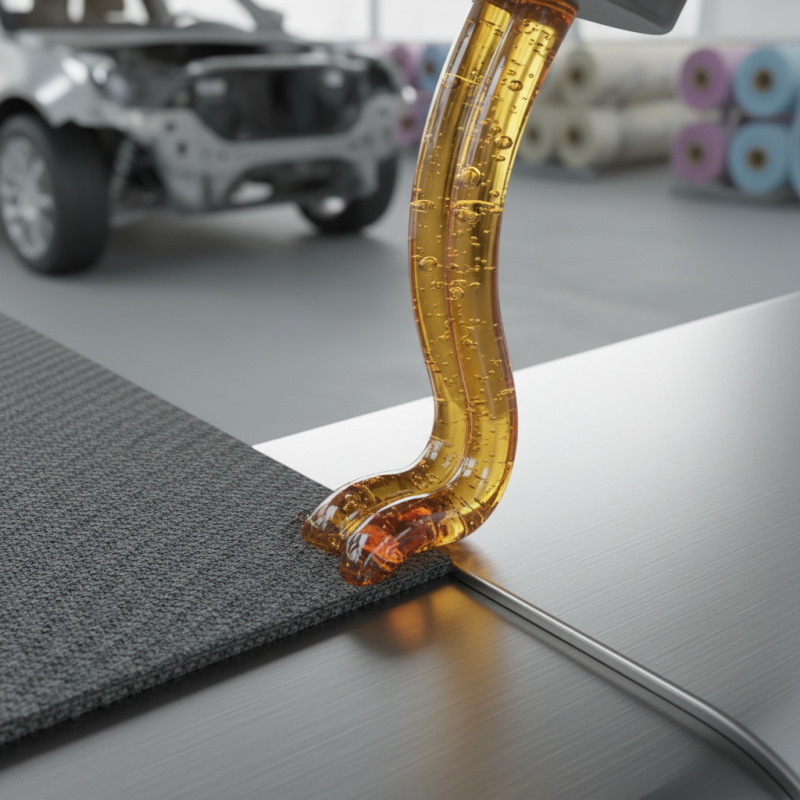
Polyamide hot melt adhesives (HMAs) are gaining traction in the manufacturing sector. In 2026, these adhesives stand out due to their impressive thermal stability and bonding strength. Reports indicate they can withstand temperatures up to 150°C. This makes them suitable for applications in automotive and electronics, where high performance is crucial.
One notable feature of polyamide HMAs is their versatility. They adhere well to various substrates, including plastics, metals, and composites. Data suggests that their use in packaging increased by 25% in recent years. This surge highlights their effectiveness in providing durable seals and closures. However, some manufacturers still hesitate to adopt these adhesives fully. Concerns about their cost and availability persist.
Moreover, environmental considerations are becoming increasingly relevant. Polyamide HMAs are not always easily recyclable, raising questions about sustainability. A study found that only 30% of companies actively seek eco-friendly adhesive options. This gap indicates a need for further innovation and reflection on industry practices. The growth potential in this field is significant, but challenges remain.
This bar chart illustrates the key features of Polyamide Hot Melt Adhesives in 2026, showcasing their competitiveness in various performance metrics, including temperature resistance, adhesion strength, flexibility, chemical resistance, and application versatility.
Polyamide hot melt adhesives are versatile materials. They are widely used in various industries due to their strong bonding capabilities. These adhesives excel in applications requiring durability and heat resistance. For instance, they are often utilized in packaging, automotive, and electronics sectors. The ability to bond to different substrates makes them a popular choice.
In the packaging industry, polyamide adhesives offer excellent adhesion to plastics and papers. They provide robust seals that ensure product integrity. In automotive applications, they help in assembling components that withstand harsh conditions. In electronics, their thermal stability is key for attaching parts in demanding environments. These adhesives need careful application. Improper use can lead to inadequate bonds. It’s essential to consider surface preparation and temperature during application.
Despite their advantages, polyamide hot melt adhesives have limitations. They may not perform well in extreme humidity conditions. Users often need to test compatibility with substrates first. This requires time and resources. A thorough understanding of their features can lead to better results. Employing them wisely can transform manufacturing processes and product quality.
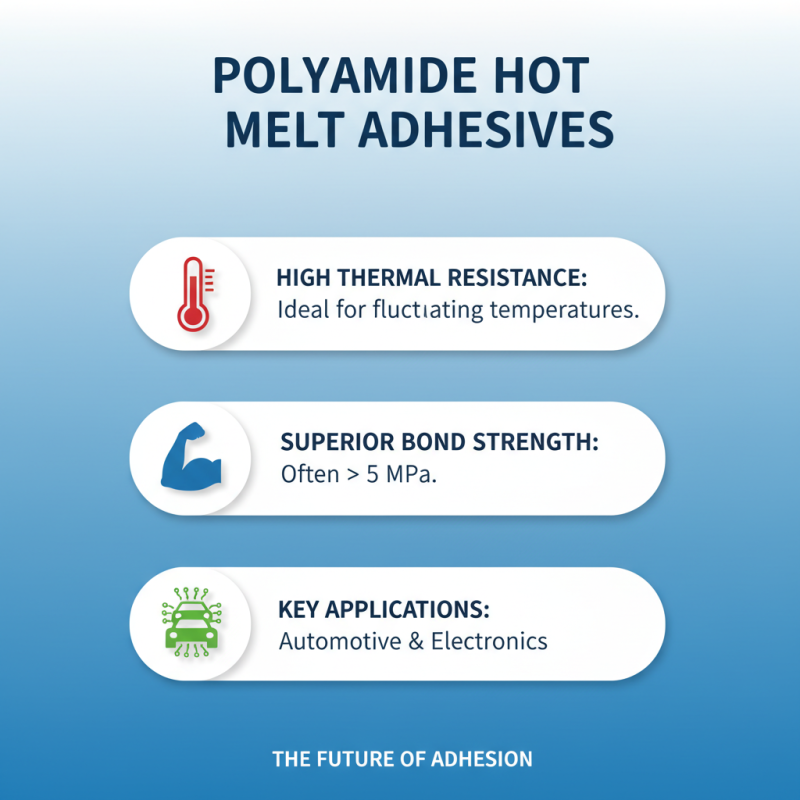
Polyamide hot melt adhesives (HMAs) are becoming increasingly popular in various industries. Their unique properties set them apart from traditional adhesives. They offer high thermal resistance, making them suitable for applications experiencing temperature fluctuations. A recent industry report shows that polyamide adhesives provide bond strength that often exceeds 5 MPa. This performance is vital in automotive and electronics sectors.
The ability to maintain flexibility is another advantage of polyamide adhesives. They perform well in environments where materials expand and contract. This characteristic is beneficial for products exposed to extreme temperatures. Comparative studies have shown polyamide HMAs outperform many alternatives in peel strength and shear strength. These qualities make them ideal for items ranging from household appliances to specialized equipment.
Tips: Test your adhesive choice under real conditions. Not all polyamide adhesives will perform equally in every application. Consider environmental variables before making a final decision. While polyamide offers many advantages, application techniques also play a crucial role in performance. Ensure surfaces are well-prepared for optimal adhesion.
The demand for polyamide hot melt adhesives is growing rapidly. This rise is driven by several key trends. One significant factor is the increasing need for stronger, more durable bonding solutions. Industries such as automotive and electronics require adhesives that can withstand high temperatures and stress.
Another trend influencing this demand is the shift towards more sustainable practices. Manufacturers are seeking eco-friendly materials that meet stringent regulations. Polyamide hot melt adhesives often use renewable resources, making them an attractive option. Their ability to bond various substrates adds to their appeal in production environments.
While these trends present opportunities, challenges remain. The market can face fluctuations in raw material prices. This can impact the availability and costs of polyamide adhesives. Companies must navigate these hurdles to meet customer needs effectively. It’s essential to stay informed about market dynamics and innovate to remain competitive.
The polyamide hot melt adhesive market is evolving rapidly. Future innovations focus on improving environmental sustainability. Research shows the global market for these adhesives is expected to exceed $4 billion by 2026. Manufacturers are investing in bio-based polyamides. This shift could reduce reliance on fossil fuels and enhance eco-friendliness.
Advancements in formulation technology are also critical. Enhanced thermal stability and stronger bonding capabilities are underway. For example, new additives may improve adhesion to challenging substrates. Reports indicate that adhesives with superior resistance to moisture are increasingly favored. Companies are urged to adapt to avoid lagging behind.
There are challenges to consider. The long curing times can be a drawback for some applications. Certain innovations may require re-evaluation of existing processes. Not all end-users will immediately embrace these changes. Hence, continuous research and development efforts are essential for staying competitive. The industry must balance innovation with practicality to meet diverse market needs.