Best Tips for Choosing Crylate Adhesives for Global Buyers?
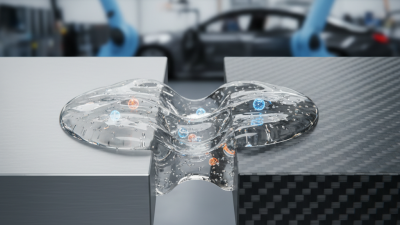
In the expanding world of adhesives, choosing the right crylate adhesive is crucial for global buyers. Dr. Emily Chen, a leading expert in adhesive technology, emphasizes, "Quality crylate adhesives can transform how industries bond materials." Selecting an adhesive requires understanding the specific needs of your application. This is where crylate adhesives shine.
These adhesives offer exceptional strength and versatility. They are often used in various sectors, including automotive and electronics. However, not every crylate adhesive is suitable for all applications. Buyers must consider factors like cure speed and environmental resistance. It's essential to consult with suppliers and review technical data sheets.
The selection process can be daunting. Many buyers feel overwhelmed with numerous options and specifications. Some may even choose based on price alone, which can lead to regrets later. Reflecting on the importance of proper selection can prevent costly mistakes. Ultimately, making informed decisions about crylate adhesives can significantly impact product performance and durability.

Understanding the Basics of Crylate Adhesives: Composition and Types
Crylates are versatile adhesives widely used in various industries. They are known for their strong bonding capabilities and resistance to environmental factors. Basic composition typically involves esters of acrylic acid, which can vary in chain length and functional groups. This variety allows for different properties, depending on the specific application. Research indicates that the global crylate adhesive market was valued at approximately $6 billion in 2021 and is expected to grow significantly by 2027.
There are several types of crylate adhesives, each designed for specific tasks. For example, flexible formulations work well in applications requiring movement. Rigid versions provide excellent strength for heavy-duty bonding. However, choosing the right formulation is crucial. Misguided selections can lead to failures. Additionally, variations in curing time could affect production schedules. Experts recommend considering both the physical and chemical properties required for your application. Data suggests that a 15% increase in adhesion strength can be achieved with the appropriate crylate selection.
While crylate adhesives offer many advantages, not all products meet quality standards. Some formulations may contain impurities, leading to inconsistent performance. Testing is essential for ensuring durability and compatibility. Industry reports highlight that about 20% of adhesives fail during production due to improper selection. For global buyers, understanding these types helps avoid costly mistakes and enhances efficiency.
Key Performance Characteristics of Crylate Adhesives: What to Look For
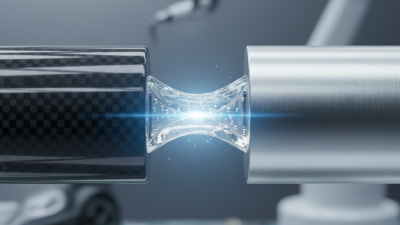
When selecting crylate adhesives, understanding their key performance characteristics is crucial. Crylate adhesives exhibit superior bonding qualities primarily due to their fast cure time and excellent adhesion to various substrates. A recent market report indicated that these adhesives can bond with a wide range of materials, including metals, plastics, and composites, making them versatile for numerous applications.
Another important characteristic is thermal stability. Many crylate adhesives can withstand temperatures ranging from -40°C to 120°C. This range should be carefully evaluated based on application demands. Users must also consider the adhesive's viscosity. High-viscosity options are favored for vertical applications as they reduce the risk of sagging during the setting process.
Lastly, consider the adhesive's resistance to environmental factors. Some crylate adhesives are engineered to resist moisture and UV exposure. This can be crucial in outdoor applications. However, it's essential to verify these characteristics with testing data or certifications. Relying on empirical data ensures that the chosen adhesive meets performance expectations, but there may still be variability in results based on specific conditions and materials used.
Market Trends: Global Demand and Usage of Crylate Adhesives in 2023
The global demand for crylate adhesives is witnessing significant growth in 2023. According to a recent industry report, the market is projected to expand at a compound annual growth rate (CAGR) of 5.2% from 2023 to 2028. This increase is driven by the rising applications in various sectors, including automotive, electronics, and construction. The versatility of crylate adhesives, known for their strong bonding and resistance to environmental factors, makes them a preferred choice among manufacturers.
In the automotive industry alone, crylate adhesives account for nearly 30% of adhesive consumption, highlighting their crucial role in vehicle assembly and repair. These adhesives offer benefits such as quick curing times and excellent adhesion to metal and plastic surfaces. However, buyers must navigate challenges, such as varying formulations and potential issues with long-term durability. It's essential to understand the specific requirements of your application.
As global consumers become more environmentally conscious, the demand for eco-friendly formulations of crylate adhesives is also rising. Emerging technologies in adhesive chemistry aim to produce less volatile organic compounds (VOCs). This shift not only improves worker safety but also aligns with sustainability goals. Buyers should remain informed on regulations and market trends to ensure compliance and competitiveness in their respective industries.
Environmental and Health Considerations in Choosing Crylate Adhesives
When selecting crylate adhesives, environmental and health considerations are vital. These adhesives can release volatile organic compounds (VOCs) during use, which may pose health risks. Buyers should look for formulations that minimize VOC emissions. Assessing the safety of materials can safeguard workers and reduce toxic exposure.
It's crucial to consider the adhesive’s application and disposal. Using adhesives with lower toxicity can benefit both users and the environment. Many alternatives exist that are less harmful yet effective. Researching the environmental impact and safety data sheets is essential for informed choices.
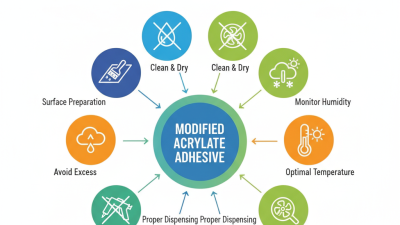
Tips for choosing the right crylate adhesive include consulting safety data sheets. These documents outline health risks associated with chemicals. Performing a risk assessment helps identify potential hazards. Staying updated on regulatory changes can prevent compliance issues in the future. All these factors ensure not just efficiency but also responsibility in adhesive selection.
Best Tips for Choosing Crylate Adhesives for Global Buyers? - Environmental and Health Considerations in Choosing Crylate Adhesives
| Aspect |
Considerations |
Recommended Practices |
| Chemical Composition |
Ensure low VOC levels and absence of hazardous substances. |
Look for certifications such as Green Seal or similar. |
| Health Safety |
Assess health risks associated with exposure during application. |
Utilize Personal Protective Equipment (PPE) during handling. |
| Application Environment |
Identify suitable environmental conditions for curing. |
Consult technical data sheets for optimal conditions. |
| Disposal of Waste |
Follow local regulations for hazardous waste disposal. |
Engage with specialized waste management services. |
| Environmental Impact |
Evaluate the adhesive's long-term effects on the environment. |
Select eco-friendly alternatives whenever possible. |
Cost Analysis: Budgeting for Crylate Adhesives in Different Industries
When budgeting for crylate adhesives, it’s crucial to understand the unique needs of your industry. Different sectors can incur varying costs. For instance, the automotive industry may prioritize durability and speed in adhesives, impacting its budget allocation significantly. In contrast, the electronics sector often seeks adhesives that provide a strong bond yet are sensitive to temperature changes.
Cost considerations are not merely about price per unit. They also encompass performance and longevity factors. High-performance crylate adhesives might be pricier upfront, but they can reduce long-term costs by minimizing failure rates. Conversely, opting for cheaper options risks potential quality issues. These concerns can lead to substantial losses, prompting buyers to reevaluate their investment.
Additionally, the choice of supplier plays a role in the overall cost. Trusted suppliers often provide not just products but also expertise. Their experience enables buyers to make informed decisions. Yet, balancing between cost and reliability can be challenging. It's essential to reflect on your specific requirements regularly to ensure that the selected adhesive meets both quality and budget constraints effectively.