

China Best Organic Silica Gel Manufacturer and Supplier
Choosing a China best Organic Silica Gel manufacturer and supplier requires more than comparing prices. Buyers need consistent quality, clear documentation, and practical production experience. Organic Silica Gel may describe silica-based materials modified with organic groups, depending on the supplier’s formulation. Therefore, every purchase should begin with a precise technical discussion. Confirm composition, particle size, moisture capacity, packaging, and intended application. The name alone is not enough.
An experienced manufacturer should provide test reports, batch records, safety data, and traceable quality procedures. These details matter when silica gel protects electronics, pharmaceuticals, instruments, or packaged goods from humidity. A reliable supplier can explain how materials are produced, tested, stored, and shipped. Ask for samples. Compare them under real conditions, such as sealed cartons, warehouse humidity, and repeated opening. Small differences can become expensive later.
Quality is visible in the details. Uniform granules, clean packaging, and stable adsorption performance build confidence. Yet no supplier should promise perfect results without understanding your application. That claim deserves careful questioning. Some specifications may also change between batches, especially when custom formulations are involved. An honest partner will acknowledge these limitations and suggest verification steps. China offers strong manufacturing capacity, but capacity alone does not prove reliability. Look for transparent communication, responsive technical support, and evidence from controlled testing. With careful evaluation, buyers can identify an Organic Silica Gel supplier that supports dependable performance, responsible sourcing, and long-term cooperation. End users deserve clarity. Suppliers should earn trust.
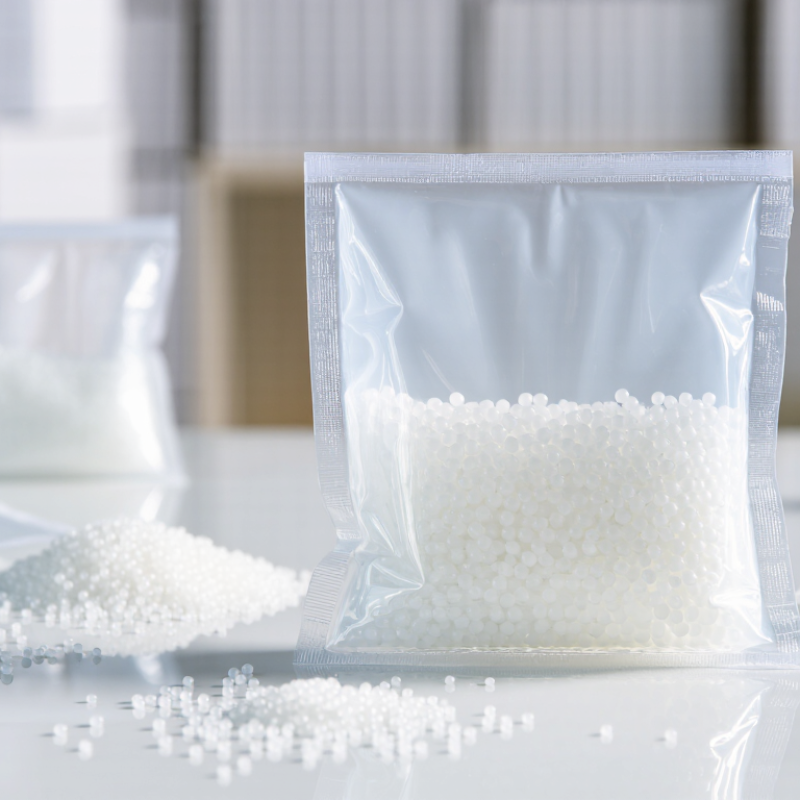
Organic Silica Gel: Definition, Properties, and Main Applications
Organic silica gel usually describes silica gel modified with organic groups, although the term is used loosely in trade. Conventional silica gel is a porous, amorphous form of silicon dioxide. It has a high internal surface area, adjustable pore structure, low bulk density, and strong moisture adsorption. In practical testing, loose granules may appear dry outside while holding water inside their pores. That difference matters.
The Grand View Research Silica Gel Market Report estimates the global market at about USD 1.1 billion in 2023, with steady growth expected through 2030. Demand is linked to moisture control, purification, and industrial separation. Organic-modified grades can improve compatibility with polymers, coatings, and selected chemical systems. Their performance depends on surface treatment, pore diameter, humidity, and particle size. Bigger is not always better.
Main applications include protective packaging for electronics, pharmaceuticals, leather goods, and precision instruments. Silica gel is also used in chromatography, catalyst supports, humidity control, and some water-treatment processes. The European Chemicals Agency identifies silicon dioxide as a substance with important particle-size considerations, so dust control remains essential during handling. A common mistake is judging quality only by adsorption capacity. Real service conditions, regeneration temperature, packaging seal, and contamination risk deserve equal attention. Industry reports offer useful market direction, but laboratory validation is still necessary for each formulation.
China Best Organic Silica Gel Manufacturer and Supplier - Organic Silica Gel: Definition, Properties, and Main Applications
| Data Dimension | Typical Information | Practical Significance |
|---|---|---|
| Definition | The term “organic silica gel” is commonly used for silica gel that has been surface-modified with organic functional groups. Conventional silica gel itself is an amorphous, hydrated form of silicon dioxide, not an organic polymer. | The chemical structure and surface treatment should be confirmed before selecting a material for a specific process. |
| Primary Composition | Base material: amorphous silicon dioxide with physically adsorbed water, often represented as SiO2·nH2O. Modified grades may contain bonded organic groups such as alkyl, amino, cyano, or phenyl groups. | Surface chemistry can be adjusted to improve selectivity, compatibility, or affinity for particular molecules. |
| Physical Form | Usually supplied as transparent or translucent beads, granules, powder, or engineered monoliths. Particle sizes vary according to the intended application. | Form and particle size influence pressure drop, handling, dust generation, and adsorption rate. |
| Surface Area | Common commercial silica gels often have a specific surface area of approximately 300–800 m²/g; the actual value depends on pore structure and manufacturing conditions. | A larger accessible surface generally provides more sites for adsorption, although pore accessibility is equally important. |
| Pore Structure | Silica gel is a mesoporous material in many grades, with typical average pore diameters often ranging from about 2 to 50 nm. | Pore diameter affects the uptake of water, solvents, gases, and dissolved organic compounds. |
| Moisture Adsorption | Silica gel adsorbs water vapor through its porous surface. Moisture capacity varies with relative humidity, temperature, particle size, and grade; it is not a single fixed value. | Performance should be evaluated using the humidity range and test method relevant to the intended packaging or process. |
| Thermal Behavior | Adsorbed water can generally be removed by heating. Regeneration temperature depends on the grade and application; excessive heat may damage organic surface groups on modified products. | Regeneration conditions should be established from technical data and validated to avoid capacity loss. |
| Chemical Properties | Silica gel is generally chemically stable and has a polar surface containing silanol groups. Surface modification can reduce polarity or introduce specific chemical interactions. | Polarity and functional groups determine compatibility with water, hydrocarbons, pharmaceuticals, and analytical solvents. |
| Chromatography Grade | Unmodified silica is widely used as a polar stationary phase. Organically bonded phases, including C18, C8, phenyl, amino, and cyano phases, are used for different separation mechanisms. | The bonded phase, particle size, pore size, and surface coverage must match the analytical method. |
| Main Applications | Desiccant packaging, humidity control, chromatography, solid-phase extraction, purification, catalyst supports, odor and contaminant adsorption, and selected pharmaceutical or cosmetic formulations. | The best grade depends on moisture capacity, purity, pore geometry, surface chemistry, and regulatory requirements. |
| Packaging and Storage | Store in sealed, moisture-resistant packaging in a cool, dry environment. Open containers can rapidly adsorb moisture from the air. | Proper storage preserves adsorption capacity and reduces variation during use. |
| Safety and Handling | Silica gel is non-flammable and generally chemically inert, but dust may irritate the eyes and respiratory tract. Avoid creating dust and follow the applicable safety data sheet. | Use suitable ventilation and personal protective equipment, especially when handling powders or during filling operations. |
Note: Performance values are typical industry ranges rather than universal specifications. Final selection should be based on the product’s technical data sheet, test method, and intended operating conditions.
Related Posts
-

Top 10 Best Benefits of Organic Silica Gel for Health and Wellness?
-
2026 How to Use Organic Silica Gel for Optimal Results?
-

2026 How to Source Organic Silica Gel for Global Buyers?
-

Best Laminating Adhesive for Your Business Needs?
-
10 Essential Tips for Working with Epoxy Resin Adhesive for Perfect Results
-
Top 10 Modified Acrylate Adhesive Suppliers Worldwide