How to Choose the Best PUR Hot Melt Adhesive?
Choosing the best PUR Hot Melt Adhesive begins with the application, not the product label. Packaging, woodworking, textiles, automotive interiors, and electronics require different bonding priorities. Open time, setting speed, viscosity, moisture sensitivity, flexibility, and final strength can change the result. Small details matter. A cold substrate can delay curing. Excess adhesive may create weak edges.
Industry reports show steady demand for hot melt adhesives. MarketsandMarkets projects the global hot melt adhesives market will grow from approximately USD 11.5 billion in 2023 to USD 15.5 billion by 2028. Grand View Research also identifies packaging, construction, and transportation as major growth areas. Their estimates differ, reminding buyers to examine definitions and regional coverage carefully. PUR figures should not be confused with total hot melt data.
Dr. A. V. Pocius, an established adhesion scientist and author of Adhesion and Adhesives Technology, is widely associated with the principle, “Adhesion is a surface phenomenon.” That idea remains practical. Surface energy, cleanliness, porosity, and pressure often matter more than impressive technical claims. A strong adhesive can still fail on a dusty panel.
A reliable selection process should compare technical data sheets, production conditions, safety documentation, and trial results. Check whether the adhesive requires atmospheric moisture to cure. Confirm the equipment can control temperature accurately. Test real materials, not only laboratory coupons. There is no universal best formula. The best PUR Hot Melt Adhesive is the one that performs consistently under the actual temperature, speed, surface, and durability demands of the finished product.
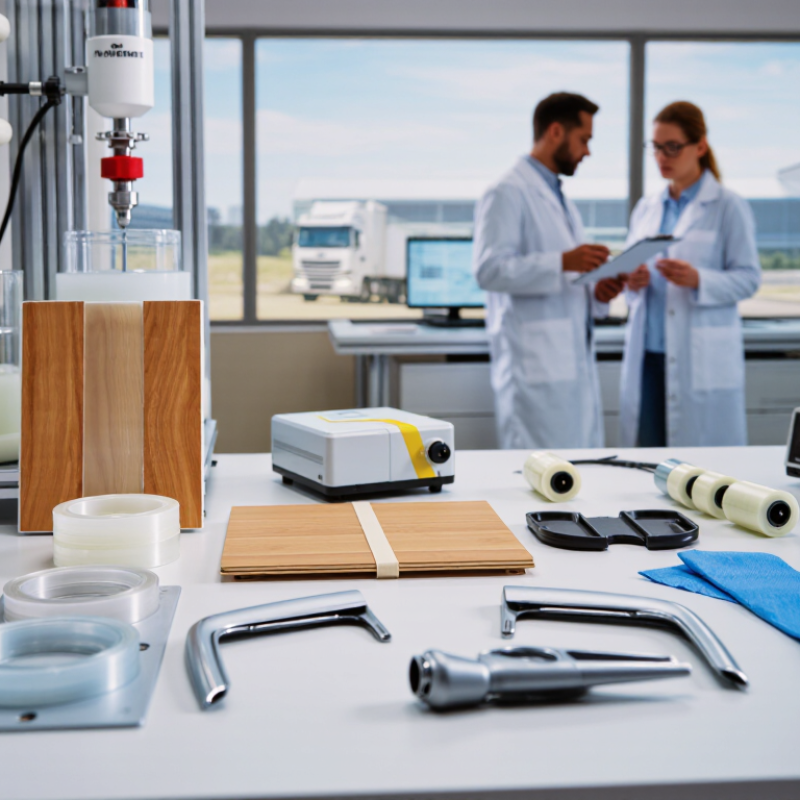
What Is PUR Hot Melt Adhesive and How Does It Work?
PUR hot melt adhesive is a polyurethane-based bonding material. PUR means reactive polyurethane. It behaves like a conventional hot melt at first. Heat changes it into a flowable adhesive.
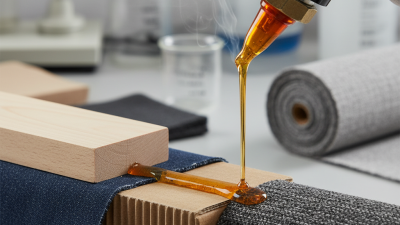
During application, the molten adhesive wets the surfaces and fills tiny gaps. Cooling then creates an initial bond within minutes. The remaining polyurethane reacts with moisture in the air and materials. This chemical reaction forms stronger, more durable links. The process may continue for hours or days, depending on humidity, temperature, and bond thickness. It is not instant.
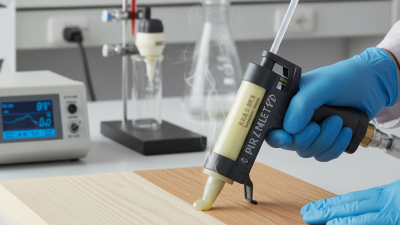
In practical production, the adhesive is applied through heated equipment. Operators must control temperature carefully. Excessive heat can damage the adhesive and create inconsistent bonding. Low heat may prevent proper flow. Open time also matters. It describes how long the adhesive remains workable before setting. Short open time suits fast assembly, while longer open time helps with larger surfaces. Small timing errors can matter.
The best PUR hot melt depends on the surfaces, line speed, and environmental conditions. Wood, plastics, textiles, and coated panels may require different formulations. Clean, dry surfaces usually improve reliability. A useful test checks peel strength, heat resistance, flexibility, and curing time. One overlooked detail is moisture control. Too little moisture can slow curing, while excessive moisture may affect application. No single adhesive fits every project. Real testing is still necessary.
Which Materials and Applications Require PUR Hot Melt Adhesive?
PUR hot melt adhesive is most valuable when ordinary hot melt cannot provide enough durability. It bonds well with wood, MDF, plywood, veneers, PVC, ABS, laminates, textiles, foams, and selected metals. The best choice depends on surface energy, flexibility, moisture exposure, and production speed.
Furniture edge banding and profile wrapping often require PUR because the adhesive line must resist heat, humidity, and cleaning chemicals. It also suits door panels, flooring layers, decorative laminates, and vehicle interior components. In textile and foam assemblies, PUR can maintain flexibility while forming a strong bond. Electronics and filter manufacturing may use it when low adhesive visibility and reliable sealing are important.
Surface preparation matters greatly. Dust, oil, and excessive moisture can weaken the bond. I have seen a strong-looking joint fail because the substrate was too cold. Not every application needs PUR. It may be unnecessary for simple indoor assemblies with low stress. Its curing behavior also requires patience: the bond gains strength through moisture after application, so handling time and storage conditions must be controlled. Test the actual materials, temperature range, and application speed before full production. A small trial can reveal more than a specification sheet.
How to Select the Right PUR Hot Melt Adhesive Formula?
How to Choose the Best PUR Hot Melt Adhesive?
How to Select the Right PUR Hot Melt Adhesive Formula?
Selecting a PUR hot melt adhesive formula starts with the materials being bonded. Wood, plastic, metal, and coated films can require different wetting behavior and curing speeds. Check the substrate surface, porosity, flexibility, and heat sensitivity before choosing a product. A high-viscosity formula may bridge uneven surfaces, but it can create thicker beads and slower application. A low-viscosity formula spreads easily, yet it may lack gap-filling strength.
Open time also matters. Fast-setting formulas suit automated lines with short assembly cycles. Longer open time supports larger panels or careful positioning. Consider application temperature, nozzle size, bead shape, and equipment pressure together. A formula that looks ideal on paper may still string, skin over, or cure unevenly in real production. That is where testing matters.
Tips: Apply small test beads first. Record temperature, open time, pressure, and bonding results. Test after full curing, not only immediately. Check peel strength, appearance, and dimensional movement. Include moisture and storage conditions in the trial. Small details matter.
A practical trial should use the actual substrates and production speed. Inspect the bond after heat, humidity, and repeated flexing when those conditions are expected. Do not choose only by initial strength. I have seen strong early bonds fail because the adhesive remained too rigid after curing. Formula selection is sometimes a compromise, and the first choice may need adjustment. Good records make that adjustment more reliable.
How to Choose the Best PUR Hot Melt Adhesive? - How to Select the Right PUR Hot Melt Adhesive Formula?
| Formula Profile |
Typical Application Temperature |
Viscosity at Application Temperature |
Open Time |
Initial Green Strength |
Final Moisture-Cure Time |
Suitable Substrates |
Best Selection Use Case |
| Fast-Setting PUR |
110–130 °C |
2,000–8,000 mPa·s |
10–30 seconds |
High |
24–48 hours |
Wood, MDF, HDF, PVC, aluminum, and many laminates |
High-speed assembly
Short press times and rapid handling are required. |
| Extended-Open-Time PUR |
100–125 °C |
3,000–12,000 mPa·s |
60–180 seconds |
Medium |
24–72 hours |
Large panels, decorative laminates, wood, and composite boards |
Large-area bonding
More positioning time is needed before pressure is applied. |
| Low-Temperature PUR |
80–105 °C |
2,000–10,000 mPa·s |
20–90 seconds |
Medium to high |
24–72 hours |
Heat-sensitive films, coated boards, plastics, and thin veneers |
Heat-sensitive materials
Substrate distortion and thermal damage must be minimized. |
| High-Viscosity PUR |
110–140 °C |
10,000–30,000 mPa·s |
20–90 seconds |
High |
24–72 hours |
Porous wood, textured surfaces, edge materials, and uneven components |
Gap filling
Higher body and reduced adhesive flow are beneficial. |
| Low-Viscosity PUR |
100–125 °C |
1,000–4,000 mPa·s |
15–60 seconds |
Medium |
24–48 hours |
Smooth films, plastics, metals, and close-fitting assemblies |
Thin, uniform coating
Precise metering and good wetting are priorities. |
| Flexible PUR |
100–130 °C |
3,000–15,000 mPa·s |
30–120 seconds |
Medium |
24–72 hours |
Flexible PVC, textiles, foams, films, rubber, and flexible laminates |
Movement and vibration
The bond must tolerate bending, expansion, or repeated flexing. |
| High-Heat-Resistance PUR |
110–140 °C |
3,000–15,000 mPa·s |
20–90 seconds |
High |
24–72 hours |
Wood products, decorative panels, metal components, and heat-exposed assemblies |
Elevated service temperature
The cured bond must maintain strength during thermal cycling. |
Selection note: PUR hot melt adhesives are generally 100% solids, moisture-reactive systems. Actual viscosity, open time, curing rate, heat resistance, and substrate compatibility vary with formulation, coating weight, ambient humidity, surface preparation, and equipment settings. Confirm the final choice through the adhesive technical data sheet and application trials.
How to Test, Apply, and Store PUR Hot Melt Adhesive Properly?
Choosing the best PUR hot melt adhesive starts with testing, not guesswork.
Check the technical data sheet for open time, viscosity, curing speed, and substrate compatibility. Test the adhesive on the actual materials, including coatings, wood, plastics, or metal.
I usually prepare several small samples and inspect them after 24 and 72 hours. Record temperature, humidity, bead size, and pressing time. Small details matter.
Keep it dry.
PUR adhesives react with moisture, even before application. Use a clean, heated applicator and set its temperature according to the manufacturer’s instructions. Excessive heat may damage the adhesive and weaken the bond.
Apply an even bead, then press the surfaces firmly within the open time. A simple peel or pull test can reveal weak adhesion. Look at the failure surface, not only the bond strength.
My early trials focused too much on appearance, which was a mistake.
Storage requires the same discipline.
Keep unopened containers sealed in a cool, dry area, away from direct sunlight and temperature swings. Do not return exposed adhesive to the original container. Moisture contamination can create lumps, bubbles, or poor curing.
Label opened containers with the date and use them promptly. If the adhesive changes color, texture, or flow, stop and investigate.
Real production conditions are rarely perfect. Retesting after equipment changes is worthwhile.