How to Make Casein Glue for Strong and Natural Adhesives?
Casein glue, derived from milk protein, has gained popularity in various industries. Its natural and eco-friendly properties appeal to both craftsmen and manufacturers. A study by the Adhesive and Sealant Council reported that natural adhesives like casein glue have a 30% higher consumer preference rate compared to synthetic options. Experts agree on its significance. Dr. Emily Carter, a noted adhesive scientist, states, "Casein glue bridges the gap between nature and technology."
Crafting with casein glue can be a rewarding experience. It offers strong bonding for woodworking and craft projects. However, achieving the perfect mixture can be challenging. The right ratio of casein to water is crucial for optimal performance. Many users struggle with excess moisture or improper mixing.
Despite its advantages, casein glue requires thoughtful application. Proper surface preparation is vital to ensure adhesion. Some craftspeople find it difficult to work with in humid environments. Reflecting on these challenges can lead to productive experimentation. Overall, casein glue represents a unique intersection of tradition and modern needs.
Understanding Casein Glue: An Overview of Its Natural Properties
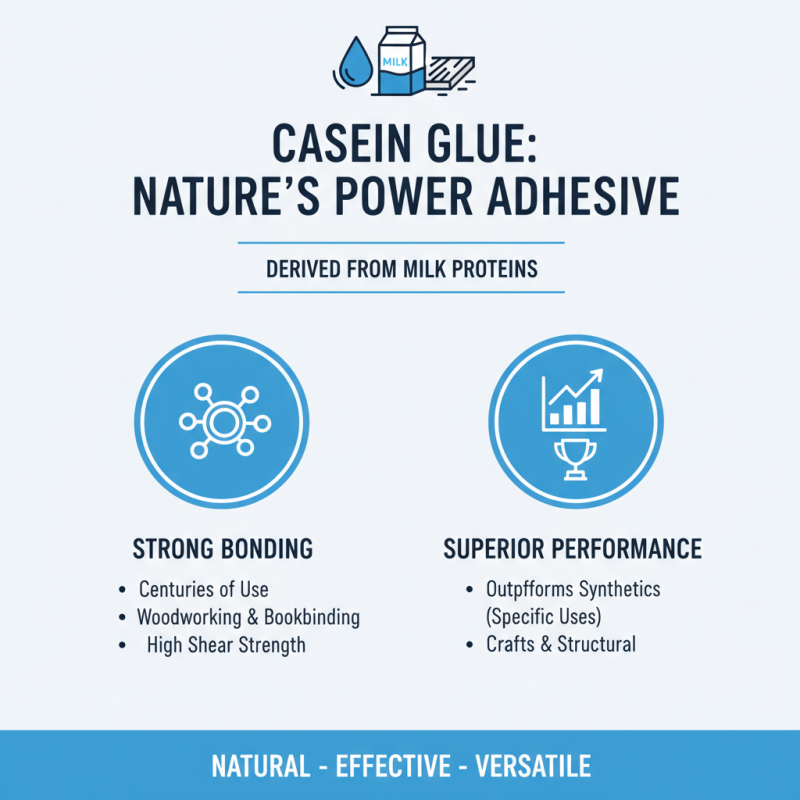
Casein glue is a natural adhesive derived from milk proteins. It has been used for centuries in various applications, from woodworking to bookbinding. This glue boasts excellent bonding properties due to the unique molecular structure of casein, which forms a strong bond when dried. According to industry reports, casein-based adhesives can outperform synthetic options in specific applications. These natural adhesives exhibit high shear strength, making them suitable for both crafts and structural uses.
Interestingly, casein glue is non-toxic and biodegradable. This aligns with the growing trend towards sustainable practices in manufacturing. Data suggests that the global demand for eco-friendly adhesives will reach nearly $25 billion by 2026. While casein glue is beneficial, it also has limitations, such as sensitivity to moisture. Adhesives made from casein can weaken when exposed to water, which may be a concern for outdoor projects. Furthermore, proper preparation is crucial. Mixing casein with the right ratio of water and additives can be tricky, requiring careful attention.
People often overlook the drying process. Casein glue needs adequate curing time to achieve its strength. Underestimating this factor can lead to failures in bonding. Despite its advantages, casein glue requires a balance of conditions for optimal performance. It serves as a reminder that even natural materials have their quirks and challenges.
Gathering Ingredients: Essential Components for Making Casein Glue
Gathering ingredients for making casein glue is a critical step. You need simple yet effective items. The primary ingredient is casein, a protein found in milk. Sourcing milk powder works well. It should be nonfat for optimal results. You might want to try different brands. Each may offer varied protein content.
Next, you'll need something acidic. Vinegar or lemon juice serves this purpose well. This component helps to curdle the milk, releasing casein. Be cautious with measurements. Too much acid can ruin the mix. Water is also necessary to adjust the consistency. Aim for a smooth but thick paste.
Include baking soda to neutralize excess acidity. This small amount helps to achieve the right pH. As you experiment, results may vary. It’s essential to document your process. Take notes on the ratios and outcomes. This experimentation can lead to improved glue over time. Patience is key in refining your formula.
Step-by-Step Process: How to Prepare Casein Glue Effectively
Making casein glue is an interesting process. It brings back memories of doing crafts in school. To start, gather your ingredients: milk, vinegar, and some baking soda. Whole milk works best because it has more casein.
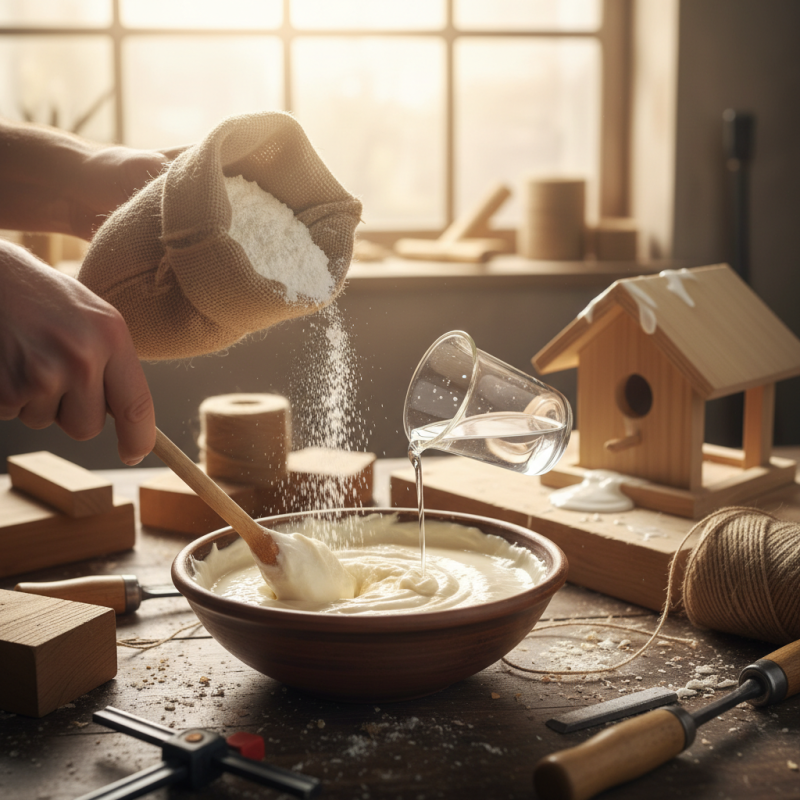
Begin by heating the milk gently. Don’t let it boil, as that can ruin the casein. Once warm, slowly add vinegar and stir. You will see curds form. This is the casein separating from the whey. After this, strain the mixture through a cheesecloth. You will be left with damp curds.
Next, mix the curds with baking soda to create a smooth paste. The consistency should not be too thick or too runny. A trial and error approach can help here. If it’s too thick, add a tiny bit of water. If it’s too runny, add more curds. This balancing act is vital. Finally, your casein glue is ready! Experiment with it on different materials. Watch how it adheres. Remember, not every batch will be perfect. Embrace the imperfections and learn.
Casein Glue Preparation Data
Applications of Casein Glue: Where and How to Use This Adhesive
Casein glue, derived from milk protein, offers a sustainable option for various projects. Its applications are diverse. Use it in woodworking, bookbinding, and even art projects. The glue provides strong bonds while being non-toxic and biodegradable.
For woodworking, casein glue is effective for joints and repairs. It penetrates wood fibers, creating a robust hold. Keep your workspace clean to avoid contamination. Always use fresh glue for best results. If you notice separation in older glue, it might be time for a new batch.
In art, this adhesive excels in collage and mixed media projects. Enjoy its versatility by experimenting with different materials. Casein glue can bond paper, fabric, and more. However, it might not hold well in humid conditions. Test before applying to important pieces. Remember, imperfection can lead to surprising creativity. Embrace the unexpected in your projects!
Tips for Storage and Shelf Life of Homemade Casein Glue
When making homemade casein glue, storage is crucial for maintaining its effectiveness. Ideally, keep the glue in a cool, dry place. A sealed glass jar works well. This prevents contamination and extends shelf life. Exposure to air can lead to mold growth. Using an airtight container is essential.
The shelf life of casein glue can vary. Generally, it lasts about one month if stored properly. If you notice an off smell or unusual texture, it's best to discard it. Testing a small amount before use helps ensure quality. Homemade glue can be a bit unpredictable. You may need to adjust ingredients or ratios for best results.
Sometimes, the mixture may become too thick. Adding a bit of water can restore its usability. If it becomes grainy, it may indicate spoilage. Making casein glue can feel rewarding but requires careful attention. Regularly checking your glue's condition and adjusting your storage methods can lead to better outcomes.