Top 10 PUR Hot Melt Adhesives for Global Buyers?
In the world of manufacturing and packaging, PUR Hot Melt Adhesives have gained significant attention. These adhesives are known for their versatility and strong bonding properties. Industry expert Dr. Richard Lane once stated, “PUR Hot Melt Adhesive is changing how we think about adhesive applications.” His insight highlights the growing reliance on these adhesives across various sectors.
The demand for PUR Hot Melt Adhesives is driven by their ability to bond dissimilar materials effectively. From automotive to electronics, these adhesives enhance product durability. However, the market is filled with options. Buyers often struggle to make an informed choice among the numerous products available.
Choosing the right PUR Hot Melt Adhesive requires careful consideration. Factors like temperature resistance and setting time play a crucial role. Understanding these aspects can help buyers avoid costly mistakes. Ultimately, the goal is to find a reliable adhesive that meets specific needs while ensuring long-term performance.

Overview of PUR Hot Melt Adhesives and Their Applications
PUR (polyurethane reactive) hot melt adhesives are gaining traction across various industries. These adhesives are known for their exceptional bonding strength and versatility. They are particularly useful in woodworking, automotive, and electronics sectors. According to recent industry reports, the global market for PU hot melts is expected to grow at a compound annual growth rate (CAGR) of around 5.7% from 2021 to 2028.
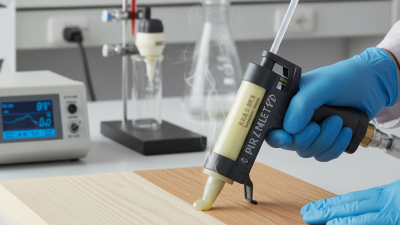
In woodworking, PUR hot melts offer a durable and moisture-resistant bond, ideal for laminate bonding and edge banding. They outperform traditional adhesives in terms of strength and longevity. This is crucial for furniture that needs to withstand daily use. Data indicate that woodworking applications account for about 30% of the total PUR adhesive market. This shows their significance in creating long-lasting products.
However, the application process can be complex. Proper temperature control is vital during application. If not managed correctly, the adhesive may not perform as expected. Additionally, some users report challenges in achieving optimal settings for various materials. Manufacturers must focus on user education to address these issues. Continuous research and feedback are necessary for improving these adhesives and meeting industry standards effectively.
Key Factors to Consider When Choosing PUR Hot Melt Adhesives
When selecting PUR hot melt adhesives, several critical factors come into play. The performance of the adhesive is paramount. The adhesive should bond well to various substrates, including plastics, metals, and wood. According to a 2022 report by the Adhesive and Sealant Council, choosing the right viscosity can significantly impact the application process and final bond strength.
Temperature resistance is another essential consideration. PUR adhesives are known for their flexibility in extreme conditions. This feature is particularly valuable in industries such as automotive and construction, where materials encounter varying temperatures. Understanding the necessary service temperature range helps in selecting the appropriate adhesive formulation.
Tip: Always test the adhesive with your specific substrates before full-scale application. Small trials can reveal potential bond issues.
The curing time varies by product. Fast-curing adhesives increase production efficiency but may not always provide the best strength. It may take additional time for the adhesive to reach optimal performance. Balancing speed and strength is crucial, and this trade-off requires careful evaluation.
Tip: Refer to manufacturer guidelines for curing times, but remember that environmental factors can affect these times.
Investing time in choosing the right PUR hot melt adhesive can enhance product reliability and performance in the long run.
Top 10 PUR Hot Melt Adhesives for Various Industries
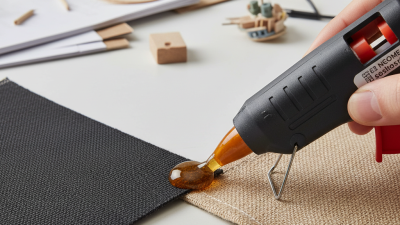
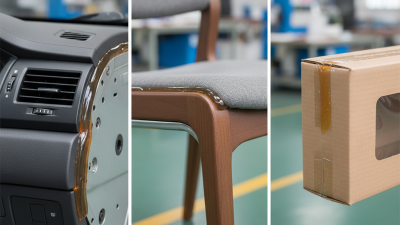
In various industries, PUR hot melt adhesives have become essential for their strong bonding capabilities. These adhesives excel in demanding applications, including automotive, furniture, and packaging. Their versatility makes them ideal for diverse projects. Users appreciate the flexibility and durability they offer.
Choosing the right PUR adhesive can be challenging. It's crucial to consider factors such as temperature resistance and cure time. Some adhesives perform better in extreme conditions, while others offer fast setting times for quick production. Testing different formulations can lead to better outcomes.
Tips: Always ensure surfaces are clean before applying. A smooth surface enhances adhesion. If working in a humid environment, note that moisture can impact the bonding strength. Regular equipment maintenance is also vital. It helps in achieving consistent application and quality bonds. By adjusting the application parameters, you may discover new ways to optimize performance. Evaluate results and adjust for improvement.
Top 10 PUR Hot Melt Adhesives for Various Industries
Comparison of Performance and Cost of Selected PUR Adhesives
When selecting PUR hot melt adhesives, performance and cost are crucial factors for global buyers. PUR adhesives are widely used due to their strong bonding capabilities and versatility. They offer excellent resistance to temperature and moisture, making them suitable for various applications. However, performance can vary significantly between different formulations. Buyers need to understand these differences to make informed decisions.
When evaluating cost, it’s essential to consider the overall value rather than just the sticker price. Some adhesives may be cheaper upfront but could fail under stress, leading to costly repairs. In contrast, a more expensive option may provide better durability and performance over time. Manufacturers often present complicated data, making it hard to compare products directly. Understanding the science behind the formulations and application methods can help buyers assess reliability.
Moreover, not all adhesives perform well under extreme conditions. Some may excel in high temperatures but struggle with humidity. Reliable data on performance metrics like shear strength or curing time are valuable. It’s worth investing time in testing different options, as this could reveal surprising insights. The quest for the perfect adhesive often leads to learning from failures and refining choices based on hands-on experience.
Future Trends in PUR Hot Melt Adhesive Technology
The future trends in PUR hot melt adhesive technology promise exciting developments in applications and materials. As industries demand more efficient solutions, the focus shifts towards eco-friendliness. Manufacturers explore bio-based raw materials to create sustainable adhesives. This move not only supports environmental goals but also responds to consumer preferences for greener products.
Innovations in product formulation are also notable. The industry is witnessing advancements that enhance durability and temperature resistance. These improvements can lead to better performance in construction and automotive sectors. However, challenges remain. Compatibility with various substrates is often an issue, highlighting the need for versatile formulations. Industry experts continue to research solutions that can improve adhesion across different materials.
Industry players are closely monitoring regulatory changes. Stricter environmental regulations are reshaping how adhesives are produced. Companies must adapt quickly to maintain compliance while meeting market expectations. There is a learning curve involved, as new production methods may come with unexpected challenges. The journey toward improved PUR hot melt adhesives is filled with innovation and uncertainty, but it shapes a promising future for the industry.
Top 10 PUR Hot Melt Adhesives for Global Buyers
| Rank |
Application |
Viscosity (cP) |
Set Time (seconds) |
Temperature Resistance (°C) |
Color |
| 1 |
Furniture Assembly |
500 |
30 |
80 |
Clear |
| 2 |
Automotive Parts |
700 |
25 |
90 |
Amber |
| 3 |
Packaging |
300 |
15 |
70 |
White |
| 4 |
Footwear |
600 |
20 |
95 |
Clear |
| 5 |
Electronics |
400 |
10 |
85 |
Black |
| 6 |
Toys |
350 |
18 |
75 |
Colorful |
| 7 |
Bookbinding |
450 |
35 |
60 |
Translucent |
| 8 |
Construction |
800 |
40 |
100 |
Gray |
| 9 |
HVAC |
650 |
22 |
110 |
Clear |
| 10 |
Wind Energy |
900 |
50 |
120 |
Green |