Top 10 Crylate Adhesives for Global Buyers Looking to Purchase?
In the competitive landscape of bonding technologies, Crylate Adhesives stand out for their unique properties. Industry expert Dr. Emily Carter states, "The versatility of Crylate Adhesives makes them essential across various applications." This sentiment resonates deeply within sectors ranging from automotive to electronics.
Crylate Adhesives offer strong performance, quick curing times, and excellent environmental resistance. Buyers looking to invest in these adhesives should understand their specific needs. Different formulations exist for unique requirements, whether for high-temperature stability or moisture resistance. With the right information, decision-makers can select the best adhesive for their projects.
Yet, potential buyers often overlook critical details in their choices. For instance, not all Crylate Adhesives perform equally under stress or environmental changes. Researching product data sheets is vital for making informed decisions. Ultimately, understanding these nuances will lead to better bonding solutions and project success.

Overview of Crylate Adhesives and Their Applications
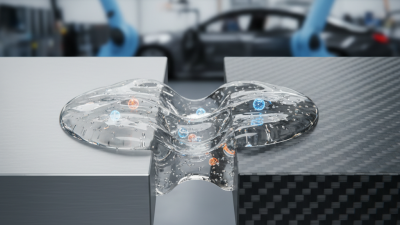
Crylates are versatile adhesives widely used in various industries. Their unique chemical properties allow for strong bonding on different substrates. Common applications include automotive, electronics, and woodworking. These adhesives can provide a durable hold while offering flexibility and resistance to environmental factors.
When selecting crylate adhesives, consider the specific requirements of your project. The surface type and environmental conditions can greatly influence performance. Some formulations are designed to cure rapidly, while others may require additional time. Understanding these nuances can help avoid application challenges.
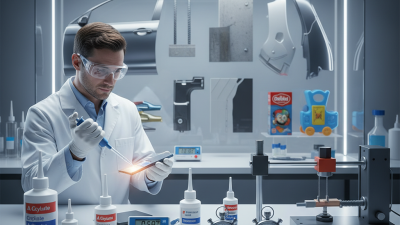
It is vital to test crylate adhesives on a small scale before full-scale application. This helps identify any potential compatibility issues or unexpected reactions. Monitoring the working time is also crucial; it can affect the final outcome.
Experimenting with different crylate variants can lead to better results. Some adhesives may perform better in high temperature or humidity environments. Always refer to technical data sheets for guidance, ensuring your choice aligns with the intended application.
Key Factors to Consider When Choosing Crylate Adhesives
When choosing cyanoacrylate adhesives, several key factors should be considered. These adhesives vary significantly in curing time, viscosity, and bond strength. Understanding how each factor affects your specific application is crucial. Curing time is vital for fast-paced projects, while viscosity influences how well the adhesive spreads and penetrates surfaces. Always evaluate the materials you’ll be bonding to ensure compatibility.
Selecting the right adhesive also requires considering environmental conditions. Factors like temperature, humidity, and exposure to chemicals can impact adhesive performance. For outdoor applications, look for a cyanoacrylate that offers resistance to moisture and UV light. This can prevent premature degradation and ensure a lasting bond in challenging environments.
Evaluating safety and ease of use remains paramount. Some cyanoacrylates can emit strong fumes or cause skin irritation. Always use appropriate protective gear. When working with new products, conduct small tests to assess performance. This can illuminate any unexpected challenges or weaknesses. Ultimately, careful selection and testing can lead to successful bonding outcomes.
Top 10 Crylate Adhesives: Performance and Features Comparison
When it comes to selecting the right crylate adhesives, understanding their performance characteristics is essential. These adhesives are known for their exceptional bonding capabilities. They offer flexibility and durability in various applications. Key features to compare include curing time, tensile strength, and resistance to environmental factors.
Real-world usage reveals that some crylate adhesives excel under specific conditions. For instance, certain formulations perform better in high-temperature scenarios, while others might struggle. It's noteworthy that not all products are suited for every material. The compatibility with substrates can affect overall bonding strength. Buyers should consider what features align best with their specific needs.
In practice, evaluating reviews and performance data can be invaluable. Users often report challenges with the initial setup and adjustments. This feedback highlights the importance of thorough testing. Selecting the perfect crylate adhesive might take time and experimentation. It’s a journey to find a product that consistently meets expectations in performance and reliability.
Global Suppliers of Crylate Adhesives: Who to Consider?
When considering the global market for crylate adhesives, it is essential to identify reliable suppliers. According to a report by Grand View Research, the global adhesive market was valued at approximately $50 billion in 2022 and is expected to grow substantially. This growth indicates a rising demand for specialty adhesives like crylate.
Importantly, suppliers should focus on product quality and conformity to industry standards. Many buyers prefer suppliers who demonstrate compliance with ISO certifications. Additionally, reports indicate that suppliers who invest in R&D for product improvement attract more attention. Value-added features such as enhanced adhesion properties and faster curing times are critical for manufacturers.
Buyers might also consider geographical diversity in supplier selection. Regions like Asia-Pacific are becoming central hubs for adhesive manufacturing. Data shows that suppliers from these regions often provide cost-effective solutions without compromising quality. However, fluctuating raw material costs can affect pricing. Companies should evaluate the reliability and transparency of suppliers, especially given the volatility in the global market.
Market Trends and Innovations in Crylate Adhesives
Crylates are a popular choice in the adhesive market. These adhesives provide excellent bond strength and versatility across various applications. Recent trends indicate a growing demand for environmentally friendly formulations. As industries shift towards sustainability, manufacturers are innovating to create safer options.
One notable innovation is the development of UV-curable crylate adhesives. These products cure quickly when exposed to ultraviolet light, significantly improving production efficiency. However, potential users must consider the application methods. Familiarity with the equipment and safety measures is crucial. Testing before large-scale use is essential to ensure compatibility with materials.
Keep in mind the importance of proper storage for crylate adhesives. They can be sensitive to temperature changes and contamination. Regular training for staff handling these products can enhance safety and effectiveness. Even experienced users may overlook basic guidelines. Rethinking current practices may lead to increased performance and lower waste during application.