Top Epoxy Resin Adhesive Types for Your Projects Explained
Epoxy Resin Adhesive is a powerful tool for various DIY and construction projects. It provides strong bonding capabilities across different materials. From wood to metal, epoxy resin ensures a durable finish.
Choosing the right type can be challenging. There are many epoxy resin adhesive options available. Each type has unique features and applications. Understanding these differences is key to successful projects. Take time to assess your needs carefully.
Some users might rush their decisions, leading to mixed results. Not all epoxy is suitable for every project. Experimenting with different types often reveals what works best. Reflecting on past experiences can guide you in making better choices. Embrace the learning curve as you explore the world of epoxy resin adhesive.
Understanding Epoxy Resin Adhesives: A Comprehensive Overview
Epoxy resin adhesives are versatile and widely used in construction, crafts, and repairs. Their strength makes them suitable for bonding various materials, including metal, wood, glass, and ceramics. Understanding the types of epoxy adhesives can greatly enhance your project outcomes. Some common types include clear epoxy, slow-cure epoxy, and flexible epoxy, each serving unique purposes. Clear epoxy is ideal for transparent applications, while slow-cure types allow adjustments during the application.
Tips: Always mix epoxy according to the manufacturer's instructions. Measure carefully to avoid a sticky mess. Testing the adhesive on a small area can also help you gauge its performance before full application.
The application process can be tricky. Surface preparation is crucial; ensure surfaces are clean and dry. Overlooking this step may lead to poor adhesion. While epoxy adhesives cure well, environmental factors should not be ignored. Temperature and humidity can affect curing times significantly.
Tips: Work in a well-ventilated space. This will ensure good air quality and reduce the risk of inhalation injuries. Use gloves to protect your skin from unexpected reactions. Remember to be patient; rushing might cause more mistakes, costing time and materials.
Key Properties of Epoxy Resin Adhesives in Construction and Manufacturing
Epoxy resin adhesives are essential in both construction and manufacturing. Their unique properties make them versatile and reliable. These adhesives provide strong bonds, able to withstand heavy loads. They also have excellent resistance to chemicals and moisture. This makes them perfect for harsh environments.
The curing process of epoxy resin is crucial. It can take hours or days, depending on the formulation. Sometimes, users overlook the importance of this timeframe. Not all projects can wait. Furthermore, issues like uneven surface preparation can lead to weak bonds. Proper surface cleaning and preparation are often underestimated.
Flexibility is another key property. Some epoxy adhesives remain flexible after curing. This is important for applications where movement or vibration occurs. However, flexibility should match the project needs. Too much flexibility can compromise strength. Choosing the right type involves careful consideration of project requirements. Users must balance strength, flexibility, and curing time to achieve the best results.
Top Epoxy Resin Adhesive Types for Your Projects Explained
| Adhesive Type |
Key Properties |
Best Applications |
Cure Time |
| Standard Epoxy |
High bond strength, chemical resistance |
General repairs, wood bonding |
30-60 minutes |
| Flexible Epoxy |
Flexibility, vibration resistance |
Electronics, automotive parts |
1-2 hours |
| High-Temperature Epoxy |
Heat resistance up to 300°C |
Aerospace, thermal applications |
2-4 hours |
| Fast-Curing Epoxy |
Quick set time, high initial strength |
Rapid repairs, hobby projects |
5-10 minutes |
| Marine Epoxy |
Water resistance, durability |
Boat repairs, outdoor use |
4-6 hours |
Comparative Analysis of Epoxy Resin Adhesive Types and Their Applications
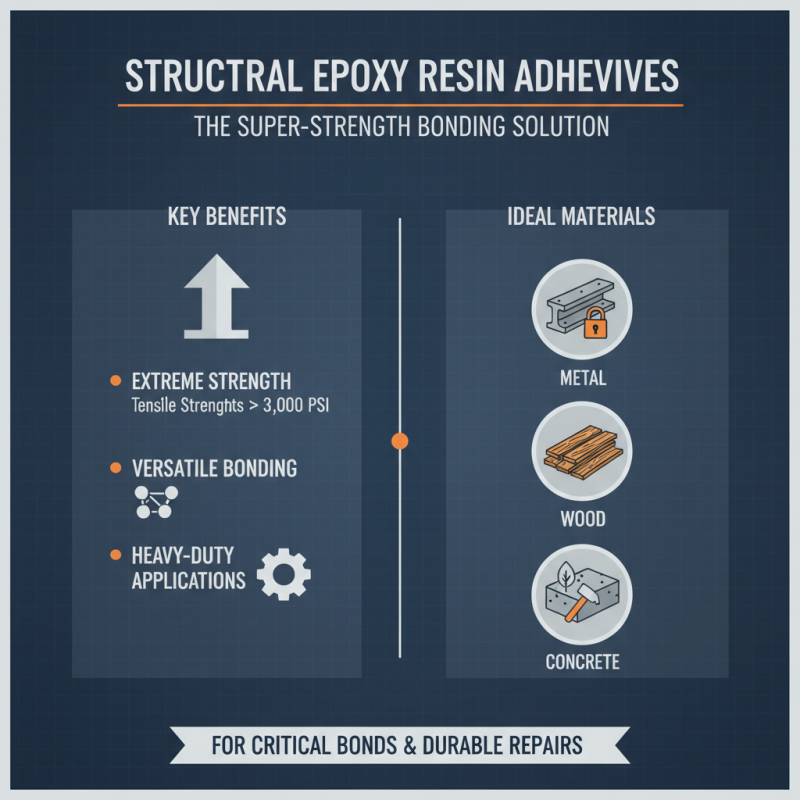
When it comes to epoxy resin adhesives, many options are available. Each type serves distinct purposes and offers unique benefits. A comparative analysis reveals that structural epoxy resins are strong, making them ideal for heavy-duty bonding. They typically bond materials such as metal, wood, and concrete. Reports indicate that these adhesives can achieve tensile strengths exceeding 3,000 psi.
On the other hand, flexible epoxy resins are designed to absorb shock and resist impact. They are often used in automotive and aerospace applications. Additionally, low-viscosity variants allow for deeper penetration into surfaces, enhancing bond strength. In studies, they demonstrate a lower failure rate in high-stress environments compared to rigid options.
**Tips:** Choose the right type based on your project’s requirements. Inspect surfaces for cleanliness. A dirty surface can lead to weak adhesion. Lastly, always conduct a small test before full application. This helps identify potential issues early on. Be cautious; some formulations can be tricky. Reflect on application methods and environmental conditions that may affect curing times.
Performance Metrics: Strength, Durability, and Cure Time of Epoxy Adhesives
When choosing epoxy resin adhesives, understanding their performance metrics is crucial. Strength is one of the primary factors. Some epoxies bond materials like wood, metal, or glass with exceptional durability. However, not all adhesives perform the same under pressure. Some may crack under strain, while others hold firm. It is essential to test the adhesive in real conditions before finalizing your project.
Cure time is another critical aspect. Many epoxy adhesives require several hours to cure properly. This highlights the need for planning. Quick-drying options exist, but they often sacrifice some strength and durability. Take this into account during your selection process. A misstep in choosing a fast option could lead to failures in your project.
Durability varies widely among different types of epoxy. Some are designed for indoor use, while others withstand harsh outdoor conditions. This distinction is vital for long-lasting performance. Always consider the environment your project will face. Remember, a strong adhesive that fails to cure correctly won’t serve your needs well. Testing different options can help identify the best fit for your specific needs.
Performance Metrics of Top Epoxy Resin Adhesives
Industry-Specific Applications of Epoxy Resins in Automotive and Aerospace
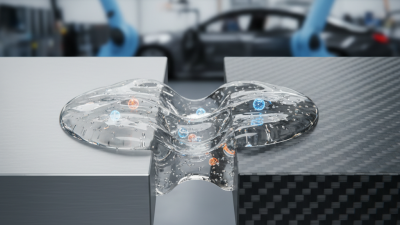
In the automotive industry, epoxy resins play a crucial role. They are used for bonding materials such as metals and composites. This adhesion creates strong, durable joints. These joints can withstand vibrations and stress from vehicle movements. They also provide excellent resistance to heat and chemicals. However, applying them requires precision. Improper mixing or timing can lead to failures.
Aerospace applications greatly benefit from epoxy resins too. The lightweight nature of these adhesives is essential. They are often used in components like wing structures and fuselage parts. Their ability to maintain integrity under extreme conditions is critical. Yet, the curing process can be tricky. Variations in temperature or humidity may affect performance. Evaluating these factors is necessary for success.
Both industries see significant innovations with epoxy formulations. These materials continue to evolve, offering improved properties. However, challenges remain in their application and effectiveness. Continuous testing and feedback loops are vital. This ensures that the best results are achieved consistently. Each project teaches valuable lessons, paving the way for better solutions.