China Top Polyamide Hot Melt Adhesive for Global Buyers?
Polyamide Hot Melt Adhesive has gained significant traction in the global market, particularly in various industrial applications. According to recent market research, the polyamide adhesive segment is expected to reach a valuation of approximately $2.5 billion by 2027, with a compound annual growth rate (CAGR) of 4.5%. This growth highlights the increasing demand for high-performance adhesives in automotive, electronics, and packaging industries.
One prominent factor driving this trend is the superior bonding properties of polyamide hot melt adhesive. Its ability to bond diverse substrates such as plastics, metals, and textiles makes it a preferred choice for manufacturers. However, the market also faces challenges, such as fluctuating raw material prices and the need for eco-friendly formulations. Buyers must consider these factors when sourcing high-quality polyamide hot melt adhesive.
Furthermore, while China positions itself as a leading supplier of such adhesives, buyers must evaluate quality and compliance with international standards. Ultimately, understanding the nuances of the polyamide hot melt adhesive market will empower global buyers to make informed decisions that enhance their competitive edge.
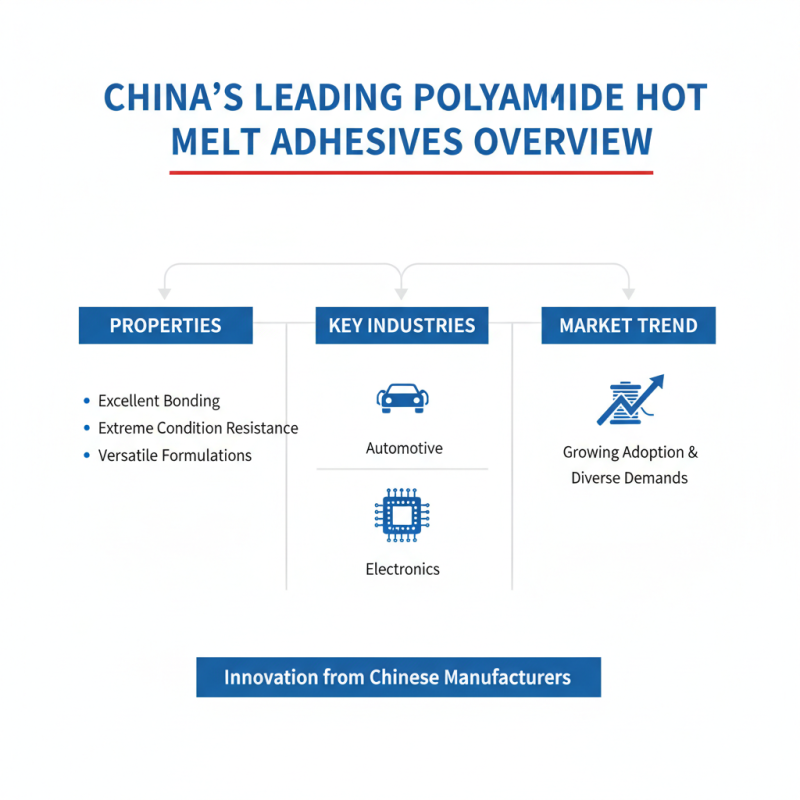
China's Leading Polyamide Hot Melt Adhesives Overview
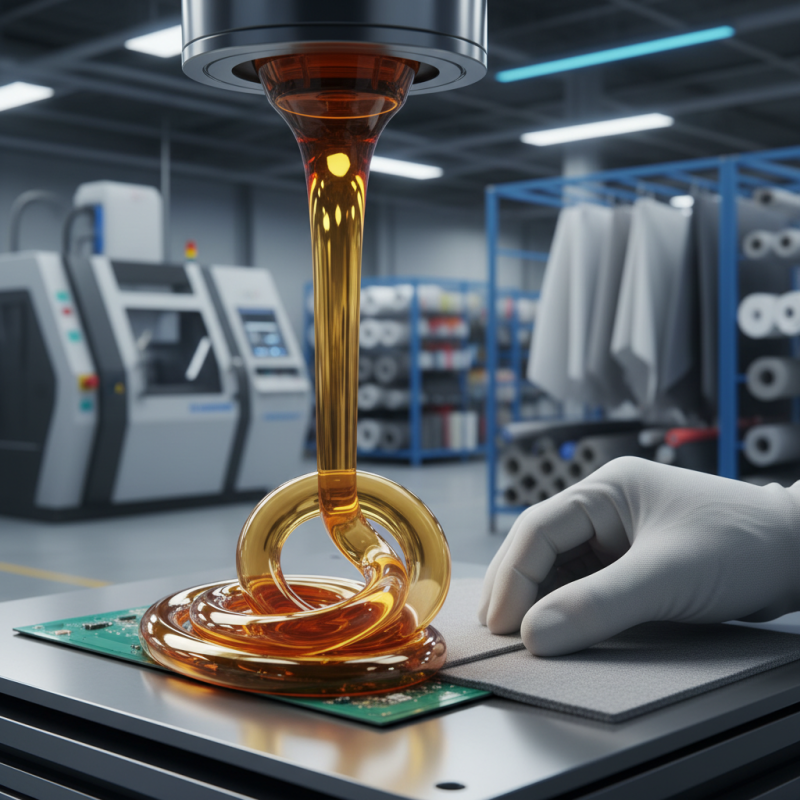
Polyamide hot melt adhesives are gaining traction in various industries. These adhesives offer excellent bonding properties and can withstand extreme conditions. They are particularly effective in automotive, electronics, and textiles. Manufacturers across China have developed a range of formulations to meet diverse market demands.
In recent years, innovation has played a crucial role in enhancing the performance of polyamide hot melt adhesives. Key factors include improved thermal stability and faster curing times. However, challenges remain in achieving sustainability. Many companies are exploring eco-friendly alternatives. This shift can be slow but is essential for long-term viability.
The market landscape is competitive, with various players striving for leadership. Buyers must critically evaluate products based on performance and environmental impact. Engaging with suppliers can provide insights into advancements and potential drawbacks of their adhesives. Understanding these aspects can lead to informed decisions that better fit specific needs and promote sustainable practices in adhesive applications.
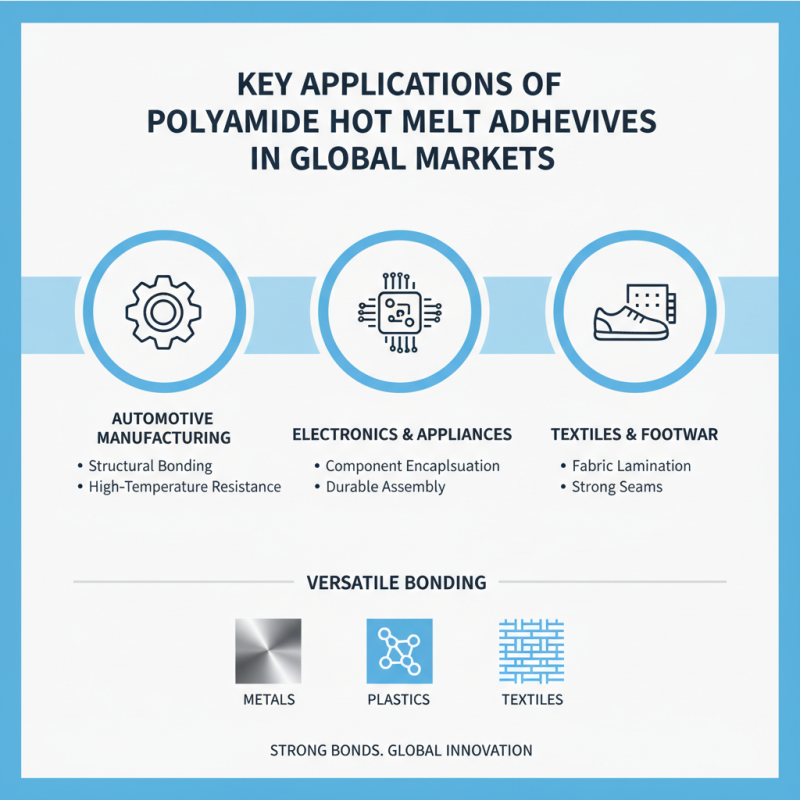
Key Applications of Polyamide Hot Melt Adhesives in Global Markets
Polyamide hot melt adhesives have become essential in various industries around the globe. These adhesives offer strong bonding capabilities and versatility. They work well on metals, plastics, and textiles. In automotive manufacturing, polyamide adhesives improve the strength and durability of assemblies. They withstand high temperatures and harsh environments, making them ideal for this sector.
In electronics, these adhesives are crucial for ensuring reliable connections. They protect components from moisture and dust, extending the product's lifespan. There is growing interest in their use in packaging, particularly for flexible films. The ability to bond different surfaces adds value to packaging solutions.
While polyamide adhesives offer many advantages, challenges remain. Some formulations can emit hazardous fumes during application, raising health concerns. Additionally, the cost of high-quality materials may deter small businesses. Understanding these challenges is key to making informed choices in adhesive selection.
Comparative Advantages of Chinese Polyamide Hot Melt Adhesives
Chinese polyamide hot melt adhesives have distinct advantages. These adhesives are known for their excellent bonding capabilities and thermal resistance. Recent reports indicate that the global market for hot melt adhesives is projected to grow at a CAGR of 6.5% between 2022 and 2028. This growth underscores the demand for robust and versatile adhesive solutions.
One key advantage of Chinese polyamide adhesives is their adaptability in various applications. They perform well in automotive, electronics, and packaging industries. For example, a study highlights their effectiveness in maintaining strong bonds under extreme temperature variations. The intrinsic properties of polyamide offer superior resistance to environmental factors, making them reliable for durable applications.
However, some challenges exist. Not all formulations meet specific international quality standards. Manufacturers must continually innovate to address these shortcomings. Competitive pressures also push companies to enhance performance without significantly raising costs. These factors can influence buyer trust and long-term partnerships. Overall, the potential of Chinese polyamide hot melt adhesives remains significant, but ongoing improvements are crucial.
Trends in the Polyamide Adhesive Industry: A Global Perspective
The polyamide adhesive industry is witnessing significant growth globally. Reports suggest that the market is projected to reach USD 3.5 billion by 2028, expanding at a CAGR of 5.8%. This growth echoes the increasing application of polyamide hot melt adhesives across various sectors, including automotive and textiles.
Recent trends indicate a rising demand for eco-friendly adhesives. Consumers want products that are sustainable and safe. Companies are responding by developing environmentally responsible formulations. However, challenges remain. Sourcing raw materials sustainably can increase costs and complexity. Additionally, the shift towards greener alternatives often requires advanced technology and expertise.
Adhesive performance also varies significantly by application. Polyamide adhesives are revered for their strong bonding and versatility. However, their effectiveness can be inconsistent under high moisture conditions. Manufacturers need to navigate these complexities to meet industry needs. Ensuring reliability while innovating can be a tough balancing act. The industry's future may hinge on overcoming these hurdles.
China Top Polyamide Hot Melt Adhesive for Global Buyers? - Trends in the Polyamide Adhesive Industry: A Global Perspective
| Region |
Market Share (%) |
Growth Rate (2021-2026) |
Key Applications |
Major Trends |
| North America |
25% |
5.2% |
Automotive, Electronics |
Eco-friendly formulations |
| Europe |
30% |
4.5% |
Construction, Packaging |
Sustainability focus |
| Asia-Pacific |
35% |
6.8% |
Textiles, Automotive |
Rising demand |
| Latin America |
5% |
3.0% |
Furniture, Footwear |
Emerging markets growth |
| Middle East & Africa |
5% |
2.5% |
Packaging, Automotive |
Technological advancements |
Challenges and Opportunities for China in Polyamide Adhesive Exports
The landscape for China’s polyamide adhesive exports is filled with both challenges and opportunities. These adhesives are popular due to their strong bonding capabilities and thermal stability. However, competition from other countries has intensified. Agents from Europe and North America are keen to capture market share. They offer advanced technologies and eco-friendly solutions that appeal to global buyers.
China faces the challenge of improving product quality. Many buyers are concerned about consistency and reliability. This raises questions about manufacturing processes and material sourcing. Additionally, there is a growing demand for sustainable products. Chinese manufacturers must pivot and innovate accordingly. Embracing greener production methods can position themselves favorably in the market.
Global trade tensions also pose risks. Tariffs can hinder export possibilities, making pricing strategy crucial. Yet, within these challenges lie opportunities for collaboration. Partnerships with international firms can enhance knowledge transfer. This can lead to improved products and expanded market presence, ultimately benefiting both local and global consumers.