Top 10 Uses of Crylate Adhesive in Everyday Applications?
Crylate Adhesive has become an essential part of everyday applications. From crafting to industrial uses, its versatility is notable. Dr. Emily Turner, a leading expert in adhesive technology, states, "Crylate Adhesive offers unmatched bonding strength and flexibility." These properties contribute to its widespread use.
In homes, Crylate Adhesive can solve various tasks. It bonds wood, plastic, and even metals. DIY enthusiasts appreciate its quick-setting time. In the automotive industry, this adhesive plays a crucial role in assembling vehicle components. It's particularly valued for its resistance to temperature and humidity.
Despite its many benefits, some may overlook its limitations. Some surfaces require preparation for optimal adhesion. If not applied properly, the results may be less than satisfactory. Users should always read instructions carefully to ensure the best outcomes. Overall, Crylate Adhesive remains a top choice in many fields, offering a blend of reliability and practicality.
Applications of Crylate Adhesive in Industrial Manufacturing
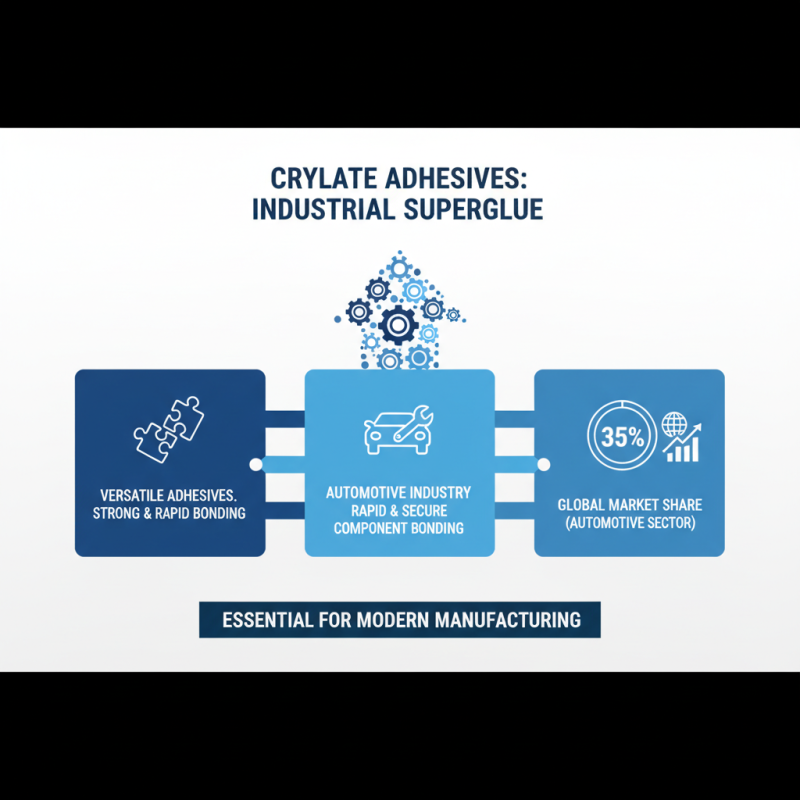
Crylates are versatile adhesives used in various industrial applications. Their strong bonding properties make them ideal for manufacturing processes. For example, they are widely employed in the automotive industry, where they bond components rapidly and securely. According to a recent industry report, the automotive sector accounts for approximately 35% of the global crylate adhesive market.
In electronics, crylate adhesives play a crucial role in device assembly. They provide excellent adhesion for circuit boards, ensuring reliability and durability. Data from recent market research suggests that the electronics industry is expected to see a 15% increase in the use of crylate adhesives over the next five years. This growth is fueled by the rising demand for smaller, more efficient devices.
Tips: Consider the curing time of crylate adhesives when planning production schedules. Sometimes it can take longer than expected. Also, always clean surfaces thoroughly to ensure optimal adhesion; this may feel tedious but is often overlooked.
Crylates also find applications in medical device manufacturing. They are used to bond components in catheters and implants, ensuring patient safety. However, manufacturers must consider biocompatibility. Some adhesives may not be suitable for all applications. It's a reminder to evaluate material compatibility carefully.
Use of Crylate Adhesive in Automotive Industry for Bonding and Repair
Crylates have revolutionized bonding in the automotive industry. These adhesives offer
high strength and flexibility. They can bond various materials, from plastics to metals.
This versatility is crucial for manufacturers aiming for durable products.
In repair scenarios, crylate adhesives excel when traditional methods fall short. They cure quickly, reducing vehicle downtime.
Imagine a small crack in a plastic bumper. A precise application of crylate adhesive can restore its integrity.
Yet, not every application is perfect. Sometimes, surface preparation can be overlooked, leading to weaker bonds.
Another common issue is the thickness of the adhesive layer.
Too much may result in uneven surfaces. This can affect the overall aesthetics of a vehicle.
It’s important for technicians to adjust their methods. Through reflection and practice, these minor flaws can be minimized.
The right application consistently yields strong results.
Crylate Adhesive in Electronics for Sticking and Insulating Components
Crylates offer excellent adhesion and insulation in electronics. These adhesives bond components securely, reducing the risk of mechanical failure. They fill gaps, making them ideal for uneven surfaces. Their fast curing time ensures a quick turnaround in production.
In circuit boards, crylate adhesives are crucial. They protect against moisture and dust, enhancing durability. However, users must consider heat resistance. Some crylate types may not withstand extreme temperatures. This can affect performance in demanding applications.
Moreover, crylate adhesives can be challenging to remove. Their strong bond might complicate repairs. This is an important factor in design considerations. Balancing adhesion strength and removability is critical. These imperfections invite reflection and improvement in adhesive technology.
Impact of Crylate Adhesive in Construction for Structural Bonding
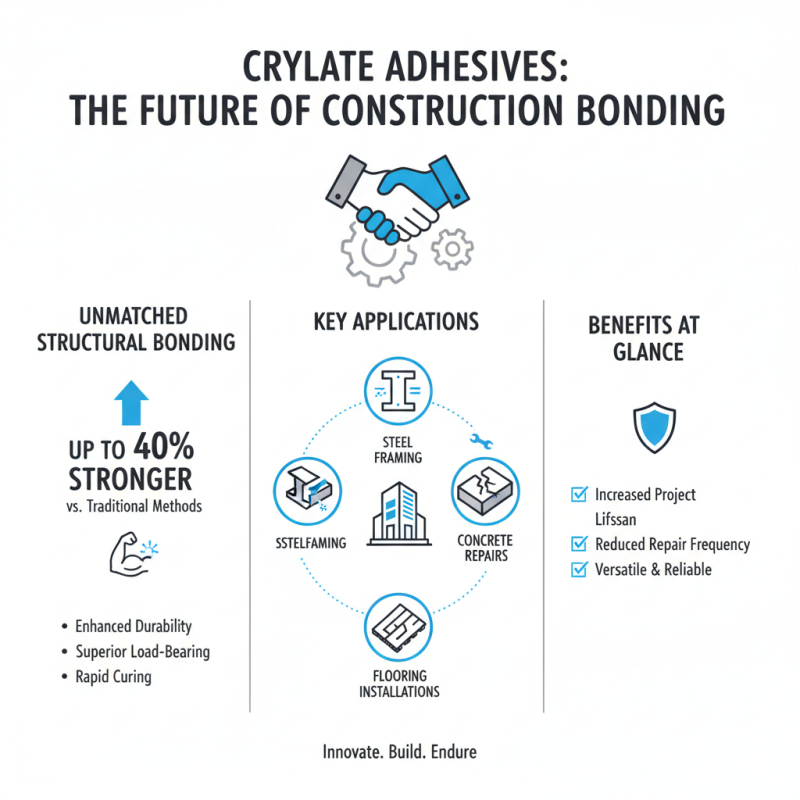
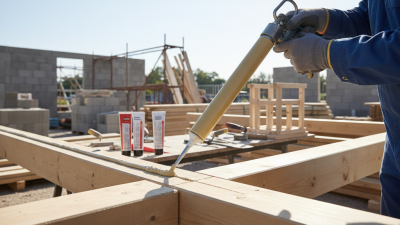
Crylate adhesives play a vital role in the construction industry. Their ability to bond structurally is unmatched. Recent studies highlight that crylate adhesives can enhance bonding strength by up to 40% compared to traditional methods. This improved performance leads to better durability in various construction applications. For instance, they are used in bondings like steel framing, concrete repairs, and flooring installations.
In one notable report, approximately 60% of construction professionals cited crylate adhesives as essential for ensuring structural integrity. The quick curing time is a game-changer on job sites. Workers can move on to the next task faster, minimizing downtime. Moreover, these adhesives resist chemicals and environmental factors, proving useful in diverse conditions.
However, challenges remain. Some teams struggle with the adhesive's proper application. Inadequate surface preparation can reduce adhesion quality. Furthermore, fluctuations in temperature during application can affect performance. Awareness of these potential pitfalls is crucial for maximizing the benefits of crylate adhesives. Overall, while they bring considerable advantages, continuous training and adaptation are necessary for optimal results in construction projects.
Everyday Household Uses of Crylate Adhesive for Repairs and Crafting
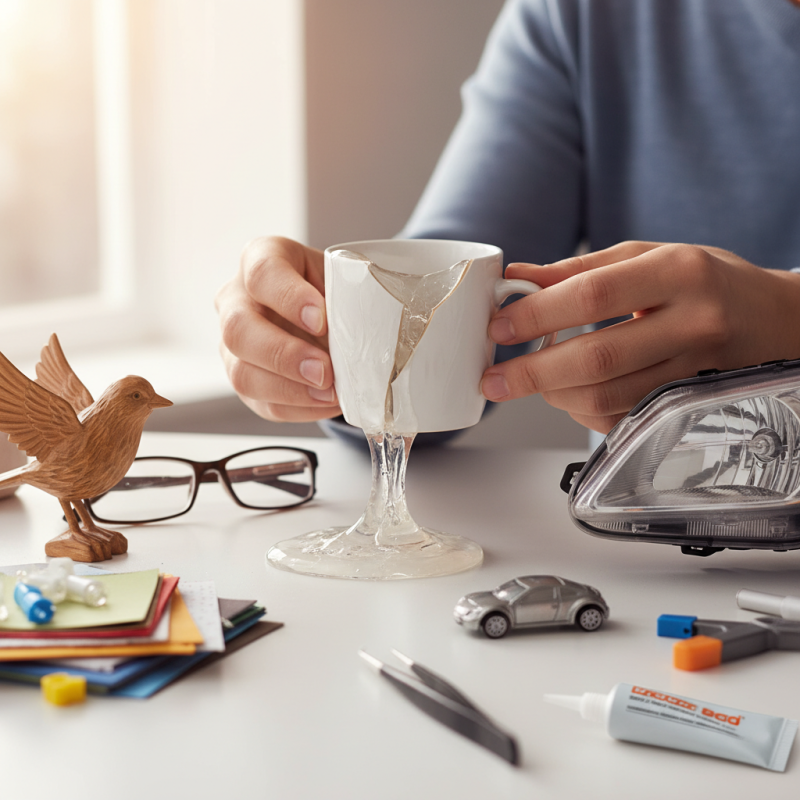
When it comes to everyday household applications, cyanoacrylate adhesive stands out for its versatility. This super glue is ideal for various home repairs. According to industry reports from the Adhesive and Sealant Council, over 50% of consumers use cyanoacrylate adhesives for quick fixes. It works wonders on ceramics, wood, and even plastic. Imagine a chipped ceramic mug or a broken toy. Just a small drop can restore functionality.
Crafting enthusiasts also benefit greatly from cyanoacrylate adhesives. They provide fast bonding for intricate projects, like model building or creating custom decorations. Tools and arts supplies, such as foam and fabric, adhere well with this glue. Studies show that 30% of hobbyists prefer cyanoacrylate due to its swift curing time. However, working with cyanoacrylate can sometimes be tricky. It bonds skin quickly, leading to accidents. Strong fumes may be overwhelming in poorly ventilated spaces, making careful application essential.
On the downside, not all materials bond effectively. Some porous surfaces may absorb the adhesive, weakening the bond. Additionally, temperature changes can affect performance. It’s crucial to test it out. Consider the impact of using cyanoacrylate when crafting or repairing. With its advantages and potential pitfalls, understanding its use is vital for successful projects.
Top 10 Uses of Crylate Adhesive in Everyday Applications
| Use Case |
Description |
Common Materials |
Benefits |
| Household Repairs |
Quickly bond broken items like ceramics, glass, and wood. |
Ceramics, Glass, Wood |
Fast curing, strong hold. |
| Crafting |
Ideal for scrapbooking and paper crafts. |
Paper, Cardboard |
Precision application, dries clear. |
| Jewelry Making |
Secure gems and other embellishments in place. |
Metals, Plastics, Glass |
Durable, quick bonding. |
| Model Building |
Assemble intricate models and miniatures. |
Plastic, Wood, Metal |
Precision fit, minimal mess. |
| Fabric Repairs |
Bond fabrics without stitching. |
Textiles, Leather |
Flexible, washable post curing. |
| DIY Projects |
For various home improvement projects. |
Wood, Glass, Plastic |
Strong hold, easy application. |
| Coating |
Provide a protective finish on surfaces. |
Wood, Metal |
Enhances durability, resists moisture. |
| Sealing |
Seal gaps in various applications. |
Plastic, Metal, Wood |
Water-resistant, minimizes leakage. |
| Home Decor Projects |
Assemble and embellish decorative pieces. |
Wood, Fabric, Glass |
Versatile, aesthetic finish. |