2026 How to Use Organic Silica Gel for Optimal Results?
In recent years, Organic Silica Gel has gained popularity for various applications. This versatile substance is prized for its moisture-absorbing properties. Many users seek optimal results with Organic Silica Gel but often fall short.
Understanding how to use it effectively is crucial. Too much moisture can lead to mold, while too little may not preserve items properly. Maintaining the right balance is key. Proper usage can extend the shelf life of products, from food to electronics.
However, using Organic Silica Gel requires attention to detail. The packaging and storage conditions play a significant role. Improper handling can lead to poor results. Experimentation is necessary to find the best methods for your specific needs. Remember, every situation is unique.
Understanding Organic Silica Gel: Composition and Benefits
Organic silica gel is derived from natural sources like plants and diatoms. Its unique structure allows it to absorb moisture effectively. This feature makes it an ideal choice for many applications, including moisture control in various settings. The gel is not only effective but also safe for the environment.
One of the prominent benefits of organic silica gel is its ability to promote better health. It supports skin elasticity and boosts hydration. When incorporated into personal care products, it can enhance the texture. However, using it in the wrong concentration can lead to skin irritation. This requires careful consideration and testing.
In gardening, organic silica gel improves soil structure. It helps retain moisture and promotes healthy root development. The fine balance of moisture is critical for plant health. Overuse might lead to poor results, causing plants to struggle. Observing plant responses is essential in this case.
2026 How to Use Organic Silica Gel for Optimal Results
This chart illustrates the effectiveness of organic silica gel across various benefits, including Soil Nutrient Retention, Plant Growth Rate, Pest Resistance, and Water Retention Capacity. The data showcases the optimal results that can be achieved by utilizing organic silica gel in agricultural practices.
Preparing Organic Silica Gel for Use: Key Steps and Precautions
Preparing organic silica gel for use involves several key steps and precautions.
It is essential to start with the right material. Organic silica gel is porous and can adsorb moisture effectively.
Ensure the silica gel is free from impurities. Research conducted in 2022 shows that silica gel with a specific
surface area above 300 m²/g performs 20% better in moisture absorption
than lower-grade options.
Once you've obtained your organic silica gel, it’s crucial to activate it properly. This typically involves heating the gel
in an oven at about 120°C for 1 to 2 hours. This process eliminates any trapped moisture,
maximizing its adsorptive potential. A study noted that properly activated silica gel can regenerate its capacity by up to 70%
after re-drying. Moreover, always handle silica gel with care. Wear gloves to avoid skin irritation and ensure adequate ventilation in your workspace.
When storing your organic silica gel, use airtight containers. Exposure to air can reduce its effectiveness over time.
It's easy to overlook this detail, but poor storage practices can lead to decreased performance. Regularly check humidity levels
in your storage area. Research indicates that silica gel is most effective in environments with relative humidity below 40%.
As you experiment with organic silica gel, take time to assess its performance critically. This reflection helps in refining usage techniques
for better outcomes.
Application Methods for Organic Silica Gel: Best Practices
Organic silica gel is a versatile material. It finds applications in various fields. To achieve optimal results, the method of application truly matters.
One effective way to use organic silica gel is through mixing. Blend it with other natural ingredients for enhanced efficacy. This could be beneficial in gardening and plant care. A simple recipe might include mixing silica gel with soil to improve moisture retention. However, be mindful of the proportions. Too much can lead to poor plant growth.
In industrial applications, spray application can be effective. A fine mist of organic silica gel can create a protective barrier. This method can yield excellent results in materials preservation. Make sure to cover all areas evenly. An inconsistent application may lead to uneven results and meet resistance in certain environments.
Tips: Always test on a small area first. This helps identify the best concentration and method for your specific needs. Additionally, keep the silica gel in a dry place after use. This prevents degradation and maintains its effectiveness. Experimenting with different methods can lead to great discoveries. Embrace the process, even if results vary at first.
Optimal Environmental Conditions for Using Organic Silica Gel
When using organic silica gel, optimal environmental conditions play a crucial role. First, the humidity level is key. Organic silica gel absorbs excess moisture in the air. Ideal humidity ranges from 30% to 50%. Too much humidity can overwhelm the silica gel, reducing its effectiveness. In contrast, overly dry conditions can result in poor absorption as well.
Temperature also impacts silica gel performance. Keep the gel in a cool, dry place away from direct sunlight. The optimal temperature is between 20°C and 25°C. High temperatures can degrade the silica gel, making it less effective. Consider using a hygrometer to monitor conditions closely.
**Tips:** Regularly check the silica gel’s condition. Crystals should appear clear or change color when saturated. If they are clumping together, it might be time for a recharge. Simply place them in an oven at a low temperature for a short time. This will restore their efficiency. Remember that maintaining ideal conditions takes effort, but it pays off in the long run. Keep an eye on changes in your environment; unexpected shifts can affect the silica gel's performance significantly.
2026 How to Use Organic Silica Gel for Optimal Results?
| Condition |
Optimal Range |
Impact on Performance |
Recommended Practices |
| Temperature |
20-25°C |
Enhances moisture absorption |
Avoid extreme heat or cold |
| Humidity |
30-50% |
Maximizes silica gel effectiveness |
Monitor and adjust humidity levels |
| Air Circulation |
Good circulation |
Prevents moisture build-up |
Use fans or vents to improve air flow |
| Exposure to Light |
Indirect light |
Reduces degradation |
Store in a dark area |
Troubleshooting Common Issues with Organic Silica Gel Usage
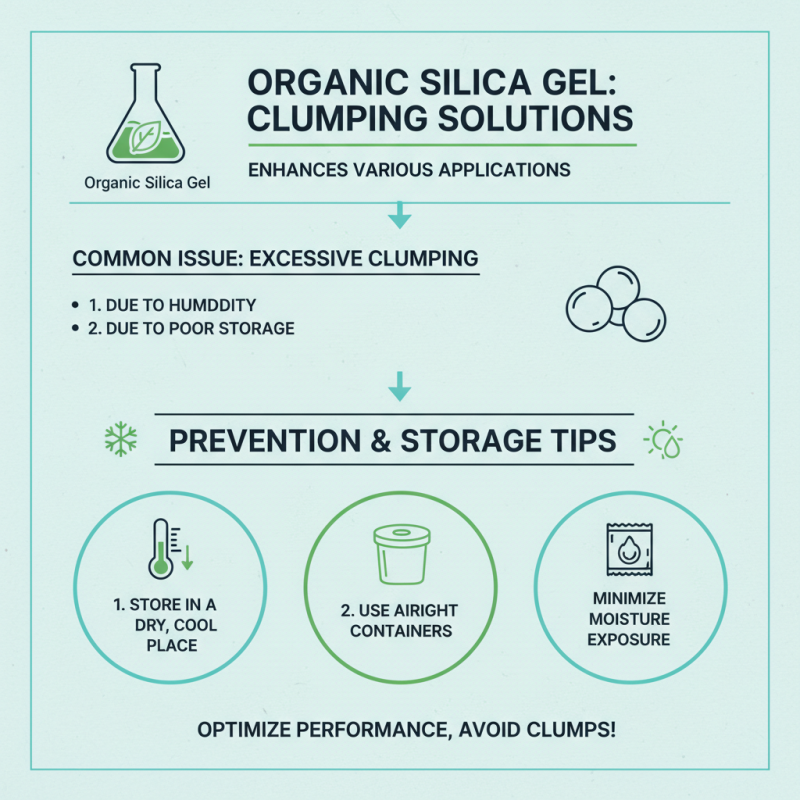
Using organic silica gel can enhance various applications, yet issues may arise. One common problem is excessive clumping. This can happen due to humidity or storage methods. If your silica gel clumps together, ensure it is stored in a dry, cool place. Consider using airtight containers to minimize moisture exposure.
Another issue is the ineffective absorption of moisture. Sometimes, silica gel doesn’t perform as expected. This might be due to saturation. When silica loses its ability to absorb, it needs to be reactivated. To do this, simply heat it in an oven at low temperatures for a couple of hours. However, be careful. Overheating can damage its structure, rendering it useless.
Lastly, some users report a gritty texture. This can affect its functionality in specific contexts. In this case, trying different sizes or forms may help. Recognizing these common issues is essential for optimizing your silica gel usage. Each problem provides a learning moment to improve handling and application.