How to Use PUR Hot Melt Adhesive for Optimal Bonding Solutions?
PUR Hot Melt Adhesive is a versatile bonding solution, favored in various industries. This adhesive offers strong bonds and excellent durability. Yet, its effectiveness largely depends on application techniques.
To achieve optimal results, it is vital to understand the specific properties of PUR Hot Melt Adhesive. The adhesive cures upon exposure to moisture in the air. Therefore, environmental factors play a key role. Users often overlook proper surface preparation. Clean surfaces ensure stronger adhesion, preventing failures.
Additionally, workers need to consider application temperature. Improper temperatures can lead to poor bonding. Using the right equipment is crucial for consistent results. While PUR Hot Melt Adhesive is potent, mistakes can happen. Reflecting on these factors can improve bonding performance and enhance project outcomes.
Understanding PUR Hot Melt Adhesive: An Overview
PUR hot melt adhesive, known for its strong bonding properties, offers unique advantages in various applications. This type of adhesive is a moisture-curing polymer that solidifies quickly upon cooling. It is versatile and provides high initial strength, making it suitable for both porous and non-porous materials. Familiarizing yourself with its characteristics is essential for effective use.
Understanding the application process is crucial. Proper temperature control ensures optimal bonding. Apply the adhesive when heated to achieve a smooth, even coat. The adhesive begins to cure when it encounters moisture, leading to a robust bond. However, improper temperature settings can lead to weak adhesion, requiring time for adjustments. It's important to experiment on scrap materials to refine your techniques.
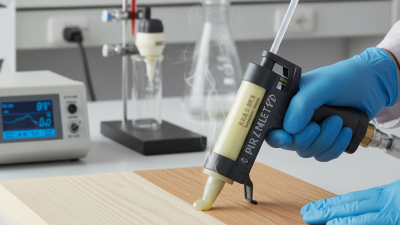
Adhering to safety guidelines is vital when using PUR adhesives. Skin contact can cause irritation, necessitating protective gear. Ensure adequate ventilation in the workspace. While PUR is a reliable adhesive, overloading joints can lead to failure. Testing the bond strength after application helps identify any weaknesses early. Learning from mistakes will enhance future bonding efforts.
Selecting the Right PUR Adhesive for Your Project
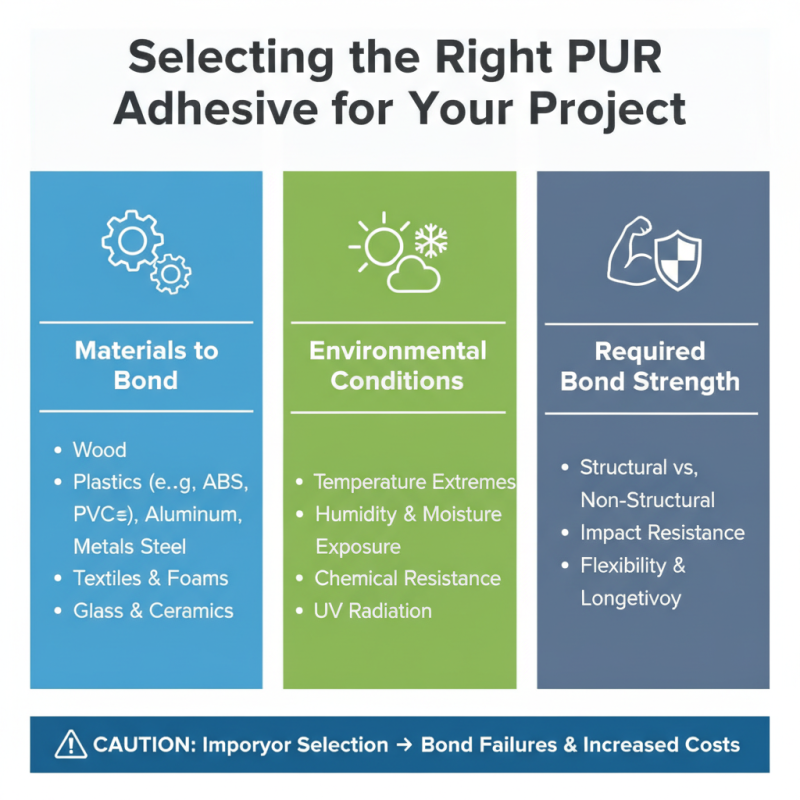
Selecting the right PUR adhesive is critical for achieving optimal bonding solutions in various applications. PUR (polyurethane reactive) adhesives are known for their durability and versatility. When choosing an adhesive, consider factors like the materials being bonded, the environmental conditions, and the required bond strength. Research shows that improper selection can lead to bond failures and increased project costs.
Tips: Always test the adhesive on a small sample before full application. This ensures compatibility and bond strength.
Different projects may require different adhesives. For instance, certain PUR adhesives work better on porous surfaces, while others excel on non-porous materials. In a study by the Adhesive and Sealant Council, it was reported that the right adhesive can improve bond integrity by up to 30%. The adhesive's cure time and temperature stability also play a vital role.
Tips: Ensure the working environment meets the temperature requirements specified by the adhesive manufacturer.
Remember, not all PUR adhesives are created equal. Some may require specific surface preparation or primers to ensure a strong bond. Ignoring these details can lead to significant setbacks. Regularly reviewing project outcomes and adhesive performance helps in making informed decisions in future applications.
Preparing Surfaces for Optimal Adhesive Bonding
Proper surface preparation is crucial for achieving optimal bonding with
PUR hot melt adhesives. According to studies, nearly
30% of adhesive failures are linked to
inadequate surface treatment. Factors like cleanliness,
texture, and
moisture levels significantly influence adhesive performance.
Before applying the adhesive, surfaces should be free from dust, grease,
and oil. Using a clean, lint-free cloth can help achieve a pristine surface.
Tips: Consider using solvents like
isopropyl alcohol for deeper cleaning. Always test a small area
first to ensure compatibility.
Surface texture also matters. Rough surfaces generally promote better
adhesion by increasing the contact area. However, excessive roughness
can create issues, leading to inadequate adhesion. A balanced approach,
typically suggested in industry reports, is to aim for a moderate texture.
Tips: Use sandpaper for wood surfaces to create a desirable
texture before bonding. Test various roughness levels for the best results.
Moisture levels play a role as well. Ideal bonding conditions are achieved
when surfaces are dry. Excess moisture can weaken the bond, leading to
failure. Monitoring humidity is essential during application, especially
in high-humidity environments.
Applying PUR Hot Melt Adhesive: Techniques and Tips
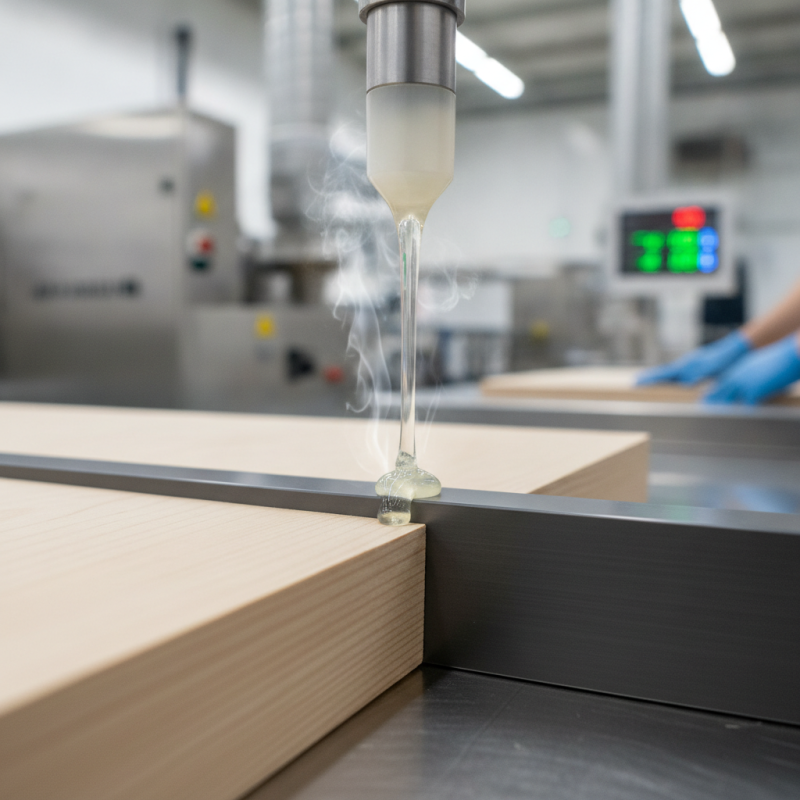
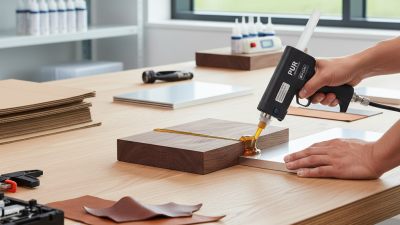
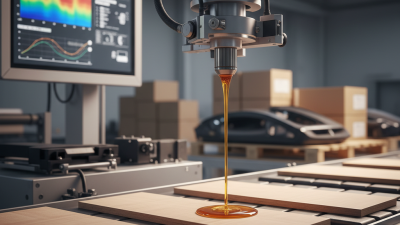
Applying PUR hot melt adhesive requires careful technique to ensure strong bonds. When heating the adhesive, monitor the temperature closely. High temperatures can cause the adhesive to break down. A consistent temperature is key to optimal performance. Choose the right applicator for your project. Manual or robotic options are available, but not all are suitable for every task.
During application, maintain a steady, even pressure. This ensures complete coverage and effective bonding. Work in a controlled environment; humidity and temperature can affect the adhesive’s effectiveness. Let the adhesive cool undisturbed for a few minutes, allowing it to set properly.
It's essential to test different application methods. Not every technique works for all materials. Adjusting application speed and angles can lead to better results. Keep in mind that even with strict adherence to guidelines, results may vary. Regularly review your processes and outcomes. Reflect on what worked and what didn’t. Continuous improvement is part of mastering PUR hot melt adhesive applications.
Optimal Bonding Solutions with PUR Hot Melt Adhesive
Curing and Testing the Bond: Ensuring Strength and Durability
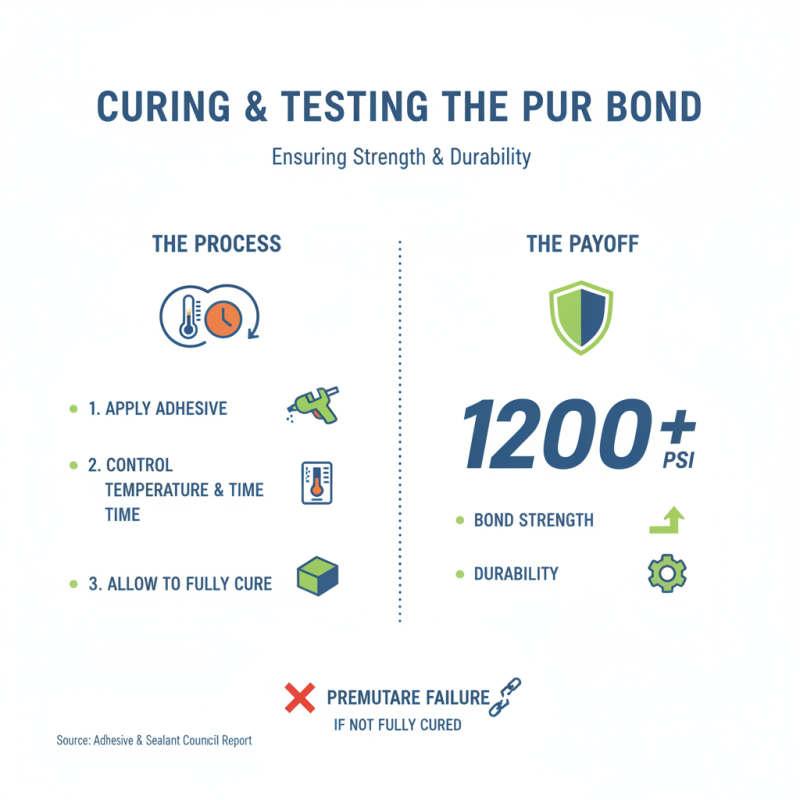
Curing and testing the bond of PUR hot melt adhesive is crucial for achieving optimal strength and durability. According to an industry report by the Adhesive and Sealant Council, properly cured adhesives can offer bond strengths exceeding 1,200 pounds per square inch (psi). However, achieving these strengths requires precise temperature and time management during the curing process. If the adhesive does not fully cure, its performance can significantly diminish, leading to premature bond failure in practical applications.
Testing the bond strength is equally important. Various methods, such as tensile testing and shear testing, provide insights into an adhesive's performance under stress. The American Society for Testing and Materials emphasizes that these tests should reflect real-world conditions. Surfaces prepared with contaminants or unsuitable materials can yield misleading results. Therefore, meticulous surface preparation is crucial. In practice, many professionals overlook this step. They assume that any surface will work, which can lead to unexpected failures. Intentionally considering the environment where the adhesive will be used can inform better bonding strategies.
Durability is also influenced by environmental factors. Temperature fluctuations and humidity can weaken adhesive bonds over time. A recent survey showed that 30% of adhesive failures are linked to environmental conditions. It is clear that continuous evaluation and testing are necessary. Making adjustments based on observed performance can enhance the longevity of the bond. Being attentive to these factors ensures that the end product meets the required standards for resilience and reliability.