10 Tips for Choosing the Right Polyester Hot Melt Adhesive?
Choosing the right Polyester Hot Melt Adhesive is crucial for various industries, from packaging to textiles. These adhesives provide exceptional bonding strength and versatility. According to a report by the European Adhesive Manufacturers Association, the market for hot melt adhesives is projected to grow at a CAGR of 5.2% from 2020 to 2027. This highlights their importance across sectors.
Understanding the specific requirements of your application is vital. Polyester Hot Melt Adhesive offers unique properties like resistance to heat and humidity. However, not all products are created equal. A poor choice can lead to bond failure and increased costs. Industry professionals emphasize that evaluating adhesion performance is key to success.
Consider specific factors such as temperature resistance and flexibility. These elements can influence your adhesive’s performance significantly. While Polyester Hot Melt Adhesive is widely used, selecting the right formulation takes careful thought and expertise. It’s essential to balance cost and effectiveness to achieve the desired results while minimizing waste.
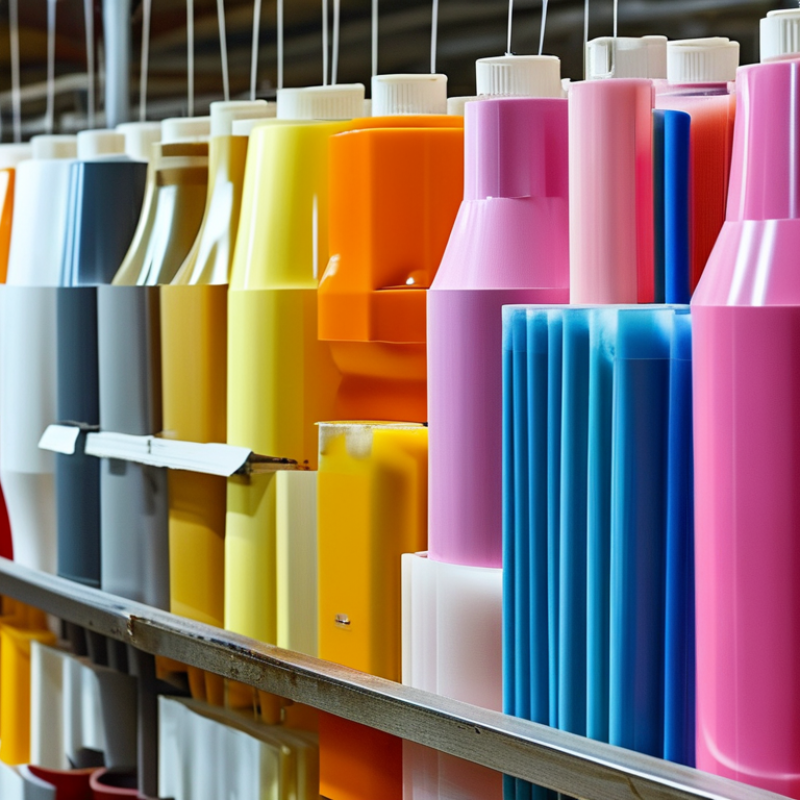
Understanding Polyester Hot Melt Adhesives and Their Applications
Polyester hot melt adhesives are vital in various industries due to their versatility and strong bonding capabilities. These adhesives are often used in
textiles, automotive applications, and packaging. According to a recent market analysis, the polyester hot melt adhesive market is projected to grow at a CAGR of 6.5% from 2021 to 2026. This growth indicates a rising demand for efficient and reliable adhesive solutions.
When selecting the right polyester hot melt adhesive, consider its thermal stability and bonding strength. Specific formulations excel in high-temperature environments, making them suitable for automotive applications. Additionally, some adhesives are designed to provide quick setting times, which enhances productivity. The market report notes that users often face challenges regarding the right adhesive for specific substrates. Testing different products can be essential for achieving the best results.
Application versatility is another vital factor. Polyester adhesives can bond to various surfaces, yet compatibility should be verified. In practice, users may find that not all adhesives perform well across different materials. Evaluating performance in real-world conditions can help refine choices. Monitoring advancements in adhesive technology will enable better decision-making, aligning with the shifts in industrial requirements.
Factors to Consider When Selecting Polyester Hot Melt Adhesives
When selecting polyester hot melt adhesives, various factors must guide your decision. The application type is crucial. Different applications require different adhesive properties. High-temperature resistance is vital for automotive uses, while flexibility might be more critical in textile applications.
Consider the adhesive's viscosity. A low-viscosity adhesive flows easily, ensuring even coverage. However, it may not provide a strong bond under stress. Conversely, high-viscosity adhesives offer robust adhesion but can be more challenging to apply. This balance greatly influences the effectiveness of your end product.
Also, pay attention to curing time. Some adhesives set quickly, which can streamline production processes. Yet, quicker curing times may result in less time for adjustments. Evaluate your workflow to determine the best fit. Regular testing under real-world conditions is essential to ensure reliability. This way, you can adjust your choice based on practical results.
Evaluating Adhesive Performance Characteristics
Selecting the right polyester hot melt adhesive involves understanding its performance characteristics. Adhesive strength, thermal resistance, and curing time are key aspects that impact usability. According to a report by the Adhesive and Sealant Council, the right adhesive can significantly enhance product durability and performance.
When evaluating adhesive performance, consider tensile strength and peel resistance. Strong adhesives withstand challenging conditions. Look for data on these properties from industry reports. Many adhesives offer tensile strengths over 2000 psi, ensuring application efficacy.
Tip: Assess operational conditions. Factors like heat exposure can influence adhesive effectiveness. For example, a hot melt adhesive may lose bonding strength at high temperatures. Investigating the specifics of your application can guide your choice.
Testing adhesives under real-world conditions is crucial. Observe how they respond to moisture and impact. Flexible testing scenarios can reveal weaknesses. Many products perform well on paper but fail in practice.
Tip: Review feedback from peers in your industry. Real user experiences often highlight performance limitations. Engaging with professionals can help you make a more informed decision.
Compatibility with Substrates and Environmental Conditions
When selecting a polyester hot melt adhesive, understanding substrate compatibility is essential. Different materials exhibit varying chemical and physical properties. For example, polyester adhesives bond well with plastics, wood, and textiles. A study published in the Journal of Adhesion Science reported that polyester adhesives demonstrate over 90% bonding strength when applied to polycarbonate substrates.
Environmental conditions also play a crucial role in adhesion effectiveness. Factors such as temperature, humidity, and exposure to chemicals can impact adhesive performance. Research shows that adhesives can lose up to 50% of their strength in extreme temperatures. Moreover, moisture can weaken bonds, particularly in hygroscopic materials. It’s vital to consider these aspects to ensure durability and longevity.
Many users underestimate the role of proper surface preparation. Contaminants like oil or dust can compromise bond integrity. Industry experts recommend surface cleaning and testing adhesive compatibility before full-scale application. An adhesive that performs well in theory might fail in practice due to unforeseen environmental factors. Understanding these intricacies is key to successful adhesive selection.
10 Tips for Choosing the Right Polyester Hot Melt Adhesive - Compatibility with Substrates and Environmental Conditions
| Tip |
Description |
Recommended Substrates |
Environmental Conditions |
| 1. Assess Compatibility |
Determine if the adhesive is compatible with the substrates being bonded. |
Plastics, Metals |
Indoor Use |
| 2. Check Temperature Resistance |
Ensure the adhesive can withstand the required temperature range. |
Wood, Glass |
Extreme Heat |
| 3. Evaluate Moisture Resistance |
Select adhesives that resist moisture for humid conditions. |
Ceramics, Fabrics |
High Humidity |
| 4. Assess Chemical Resistance |
Choose adhesives that can withstand contact with chemicals. |
Metals, Plastics |
Chemical Exposure |
| 5. Verify Flexibility |
Select a flexible adhesive for applications that involve movement. |
Rubber, Textiles |
Dynamic Loads |
| 6. Consider Cure Time |
Choose quick curing adhesives for fast assembly processes. |
Various Substrates |
Fast Production |
| 7. Assess Adhesive Viscosity |
Review the viscosity for ease of application. |
Foams, Fabrics |
Precision Work |
| 8. Check for Odor |
Select low-odor adhesives for sensitive environments. |
Indoor Use |
Enclosed Spaces |
| 9. Review Safety Data Sheets |
Check the SDS for potential hazards and safety information. |
All Substrates |
Varied Conditions |
| 10. Test Before Full Application |
Conduct tests to ensure adhesive performs effectively in your specific application. |
All Types |
Real-life Conditions |
Cost-effectiveness and Availability of Polyester Hot Melt Adhesives
When selecting polyester hot melt adhesives, cost-effectiveness is a key factor. These adhesives are often more affordable than alternatives. This affordability does not always come at the expense of performance. Many users have found that polyester adhesives provide strong bonding capabilities. They are well-suited for various applications, like packaging and textiles. The economic advantages make them a preferred choice for projects with tight budgets.
Availability is another aspect to consider. Polyester hot melt adhesives can be found in most industrial supply stores. Manufacturers often produce them in various formulations, catering to different needs. This variety ensures that users can find the right adhesive for their specific application. However, not all distributors may stock every formulation, which can create challenges. If suppliers do not have what you need, delays may occur. It's essential to plan ahead and ensure you have enough adhesive for your projects.
With the growing demand for sustainable solutions, polyester hot melt adhesives are evolving. While their cost-effectiveness and availability are strong points, users should remain aware of the limitations. Not all products are created equal, and some may perform better than others. It's crucial to test different options to find the most suitable variant for your needs. Understanding these nuances can help streamline your choice, ensuring it aligns with your specific project requirements.
Cost-effectiveness and Availability of Polyester Hot Melt Adhesives